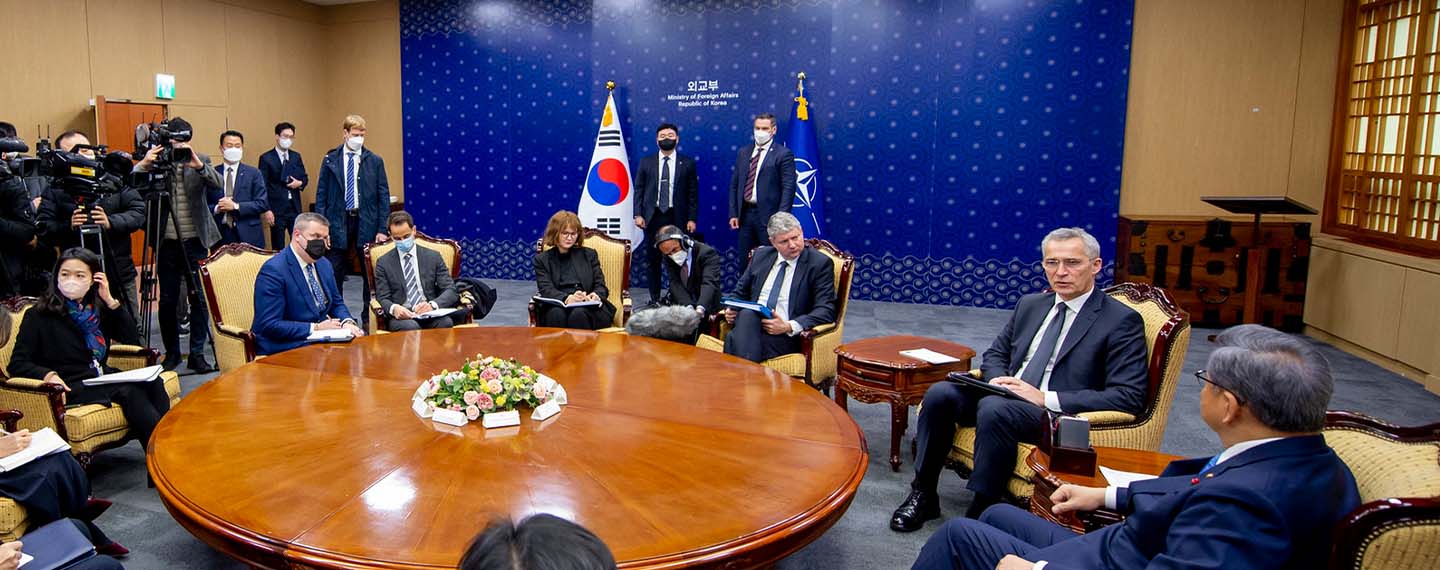
NATO-ROK defence cooperation: bridging Europe and the Indo-Pacific
This paper analyses the benefits of defence cooperation between NATO and South Korea from a European perspective.
This paper analyses the benefits of defence cooperation between NATO and South Korea from a European perspective.
Evidence shows that China and the US are racing over the global competition on generative AI, although this is not a much explicit issue.

The EU intends to be an independent security actor in the Indo-Pacific, but does not want the US-China rivalry to take place in the region.

This analysis looks at the evolution of Spain’s informal China policy, the main factors determining it and its currently Europeanist.

Korea and Japan in the current international order. Has the time perhaps come for a convergence of their international and regional agendas?
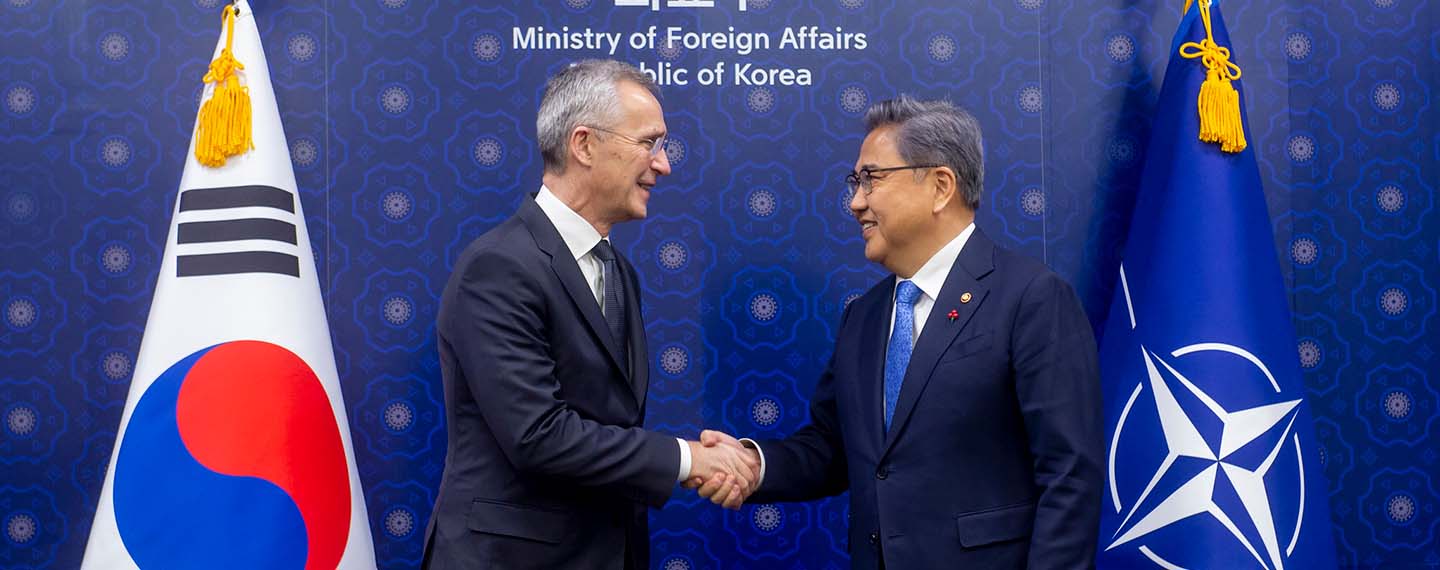
This paper analyses the scope for South Korea-NATO cybersecurity cooperation in the context of their ties and the common threats they face.
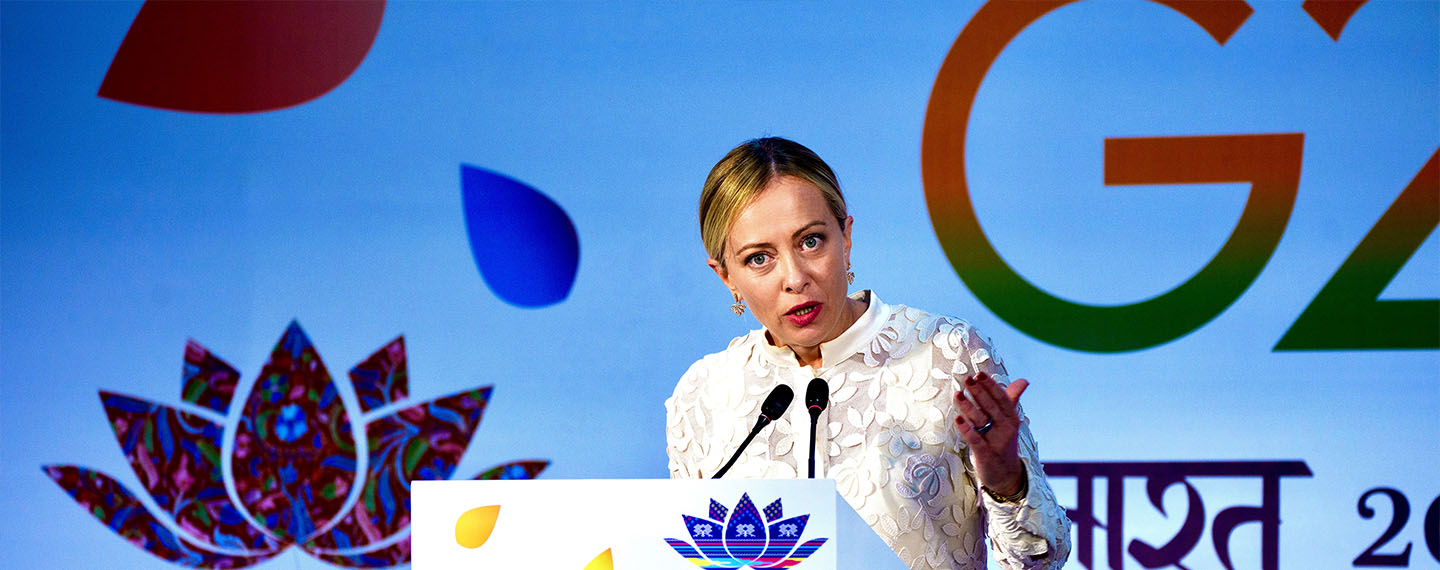
At the G20 in New Delhi, Italian Prime Minister Giorgia Meloni announced Italy’s exit from the Belt and Road Initiative (BRI).
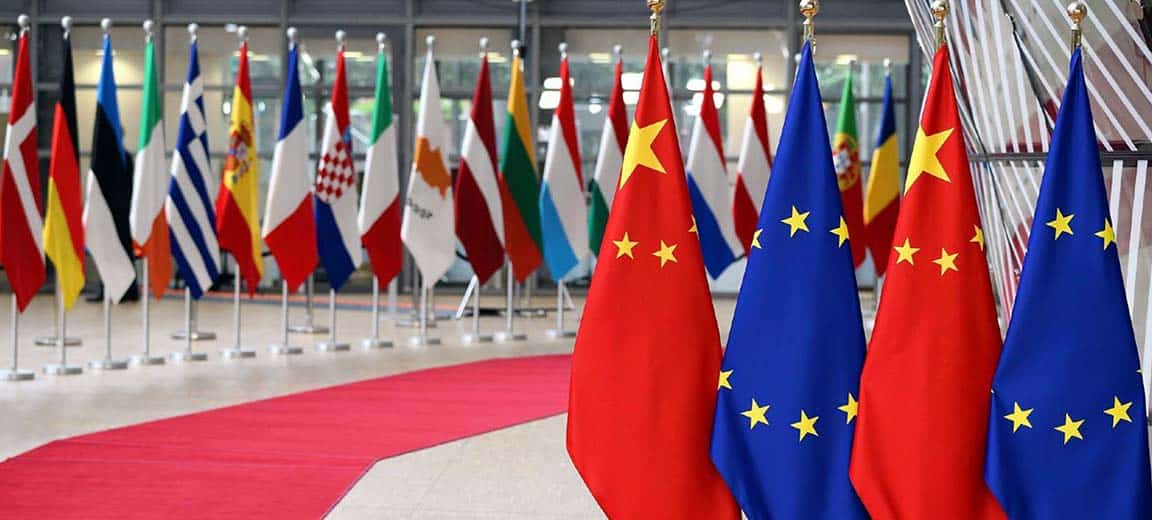
The European approaches to China have changed. This report takes stock of national approaches across EU members states, UK, Norway and Switzerland.
Spain should approach the EU Council presidency as a country project and use it to improve its influence and image.
4 - 10 of 20 pages