
International Security
Strategic Communication (StratCom) policies
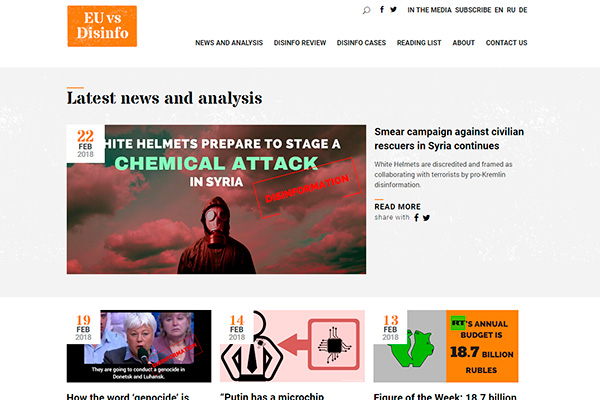
The European and Japanese StratCom policies have been directed to a foreign and international audiences rather than to reinforcing their cohesion.
NATO and the south: opportunities for coherence and integration
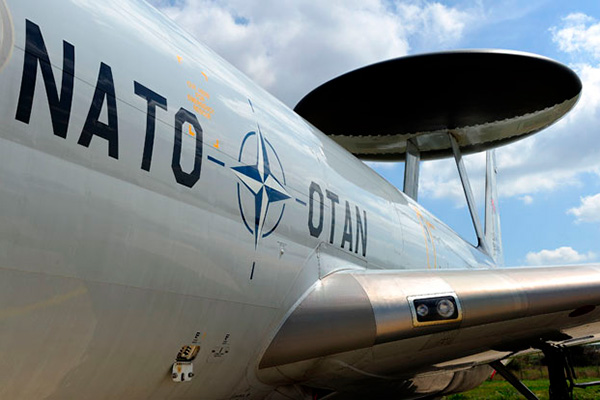
The evolving security environment to Europe’s South poses important challenges to NATO, demanding coherence between projecting stability and collective defence.
The narrowing gap between nuclear and conventional weapons
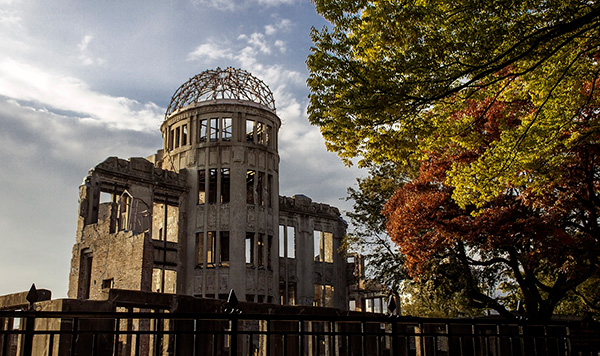
Nuclear weapons cannot be uninvented, but they can be reinvented. And it seems that this is what we face: not the prospect of a quantitative race this time, but rather a qualitative race.

Libya is sinking even further into the abyss
Whether one looks at the humanitarian situation, or at politics or at security, the overwhelming impression is that Libya is sinking into the abyss.

The Strategic Review of French National Defence and Security in 2017
Although the title suggests otherwise, the Strategic Review is about defence and the French armed forces.

Strategic autonomy and European defence
The most oft-repeated objective of the re-launching of European defence is to achieve strategic autonomy for the EU. Despite its frequent invocation, the concept of strategic autonomy has different meanings and purposes.

The ‘combination’: an instrument in Russia’s information war in Catalonia
During the independence referendum in Catalonia, Russia used the ‘combination’ (kombinaciya), an operation can integrate instruments such as cyber warfare, cyber-intelligence, disinformation, propaganda and collaboration with players hostile to the values of liberal democracy.

The missile threat in the Mediterranean: implications for European security
The proliferation of missiles and rockets has steadily grown in the Mediterranean. The issue will constitute one of the central challenges for NATO and EU policies in relation to their southern flank.
18 - 24 of 43 pages