
The Future of Values in Cyber Security Strategies
The challenges that have arisen from an overly technical focus on cyber security that has failed to consider the application of value sets in strategy creation.
The challenges that have arisen from an overly technical focus on cyber security that has failed to consider the application of value sets in strategy creation.
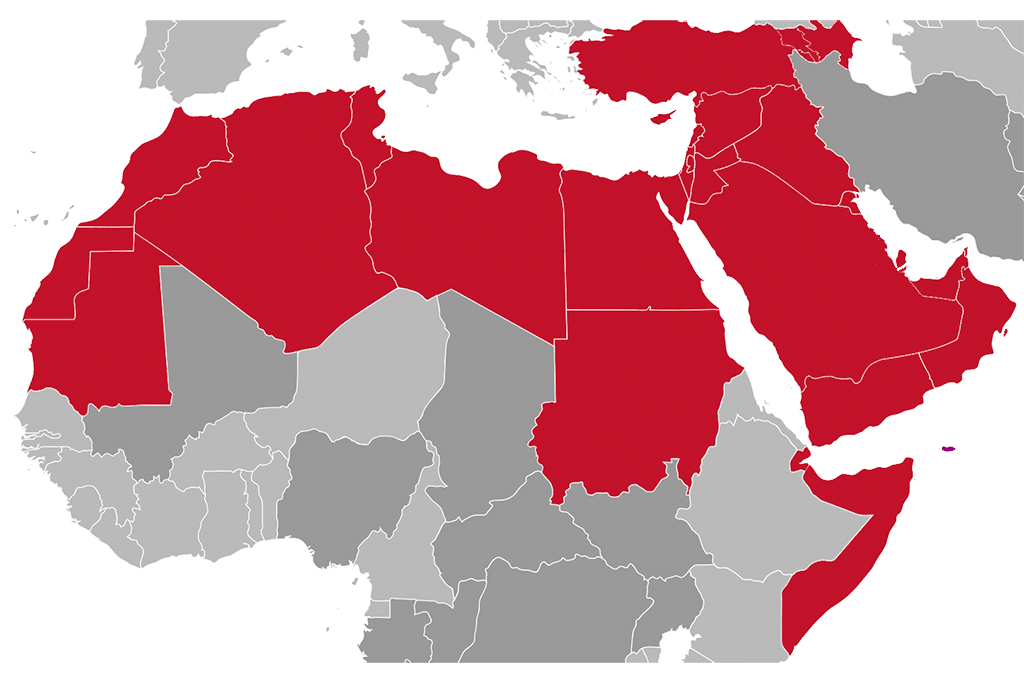
The MENA countries focus seems favour those threats to the model of political stability and social peace defined by the regimes.
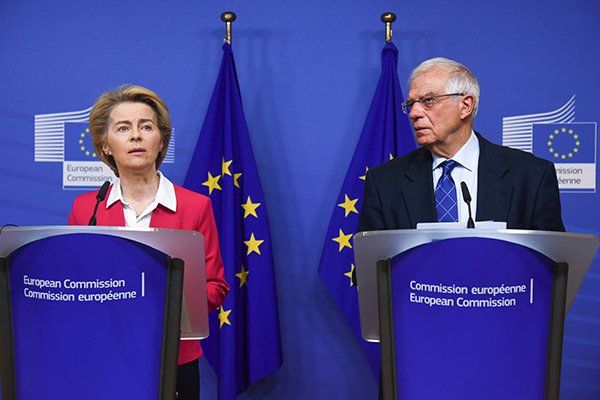
To what extent will the European Commission’s efforts to promote a rationalisation of the European defence industry be based on a common political and strategic vision about the future of European defence?

Which is the future of the aerial international military cooperation regime whose cornerstone was the enhancement of transparency and mutual trust?
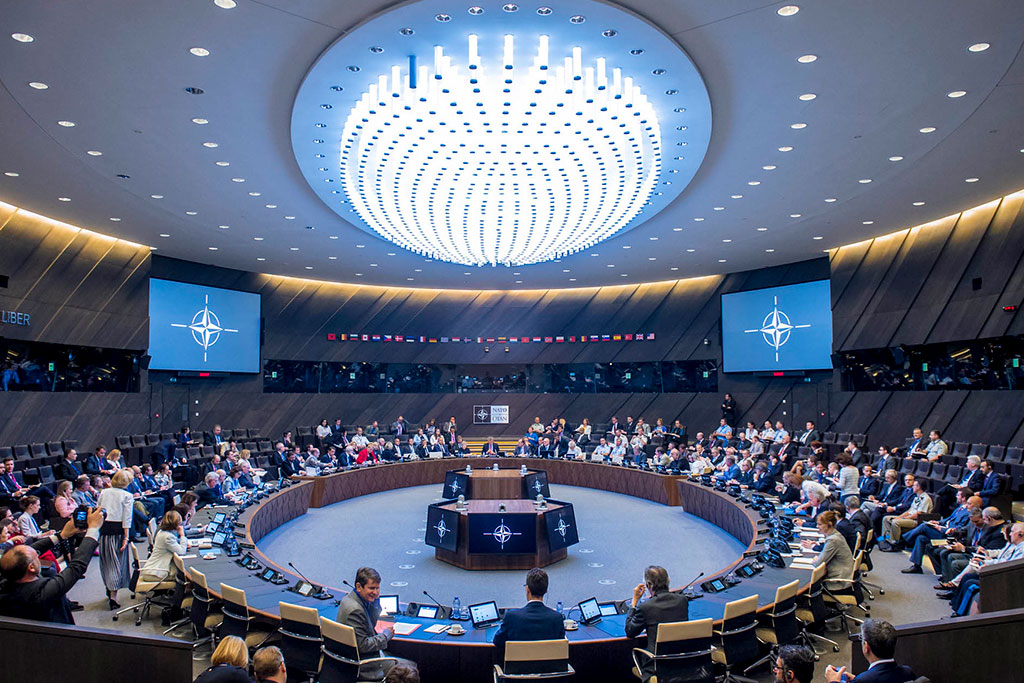
When Emmanuel Macron claimed that NATO was ‘brain dead’, he was making the same observation as the child in the story: the Emperor has no clothes.

For anybody wanting to participate in a public-private relationship within the General Data Protection Regulation (GDPR), the calculus must be weight of the well-known “carrot” gained from collaborative exchange with the new regulatory “stick” being wielded in Europe.

The key question on the mind of policymakers now is whether Artificial Intelligence would be able to deliver on its promises instead of entering another season of scepticism and stagnation.

Virality in digital diplomacy is the new black. For Ministers of Foreign Affairs and diplomats, being on social media is no longer only about presence and networking, but about standing out through the virality of their messages.
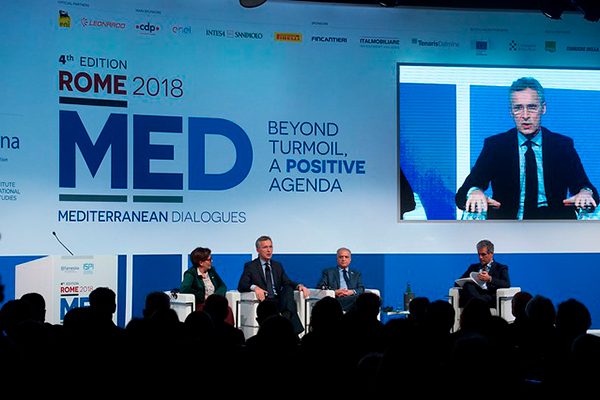
NATO has always had a southern exposure. Today’s strategic environment provides a new context for this traditional question, but also raises fundamental questions of geography, alliance politics and a shared approach to risks.
15 - 21 of 43 pages