
The UK and Brexit: a failed or a failing state?
When a politician such as Chris Patten suggests that the UK is becoming a failed state it cannot be readily dismissed as an aberration.
When a politician such as Chris Patten suggests that the UK is becoming a failed state it cannot be readily dismissed as an aberration.
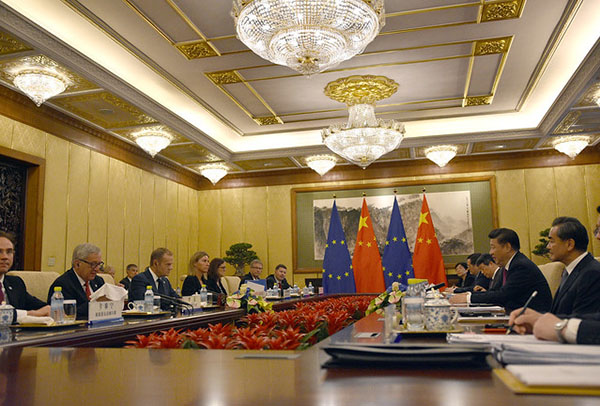
This paper suggests studying the relations between the EU and China through a Cold War analysis framework.

What is the potential, and which are the shortcomings and possible ways of strengthening the post of High Representative for Foreign Affairs (and Vice-President of the European Commission) in order to improve the efficiency and standing of the EU as a global player?
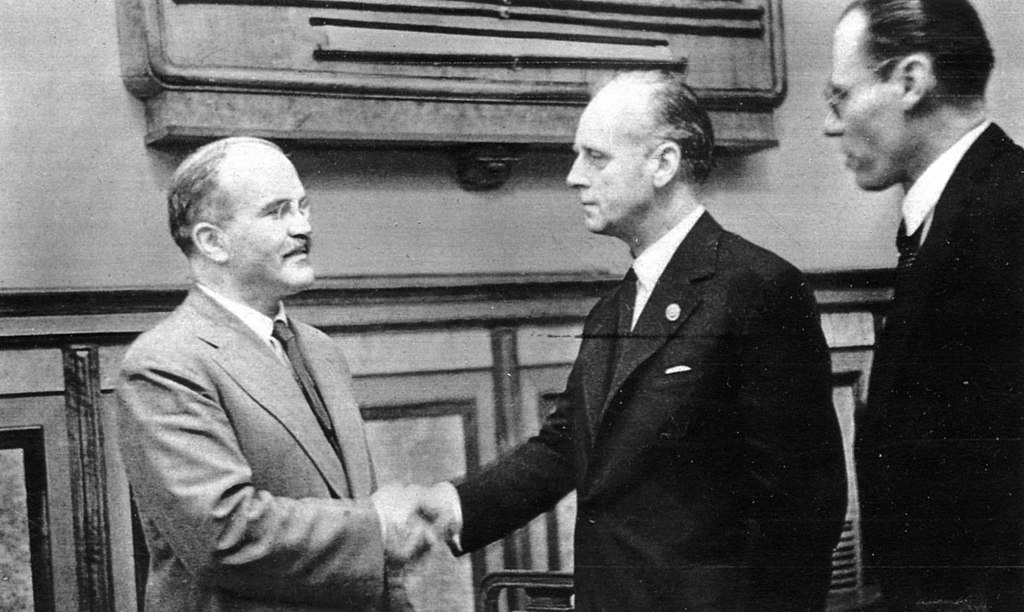
The 23rd of August marks the 80th anniversary of the Molotov-Ribbentrop Pact between Adolf Hitler’s Germany and Joseph Stalin’s Soviet Union.
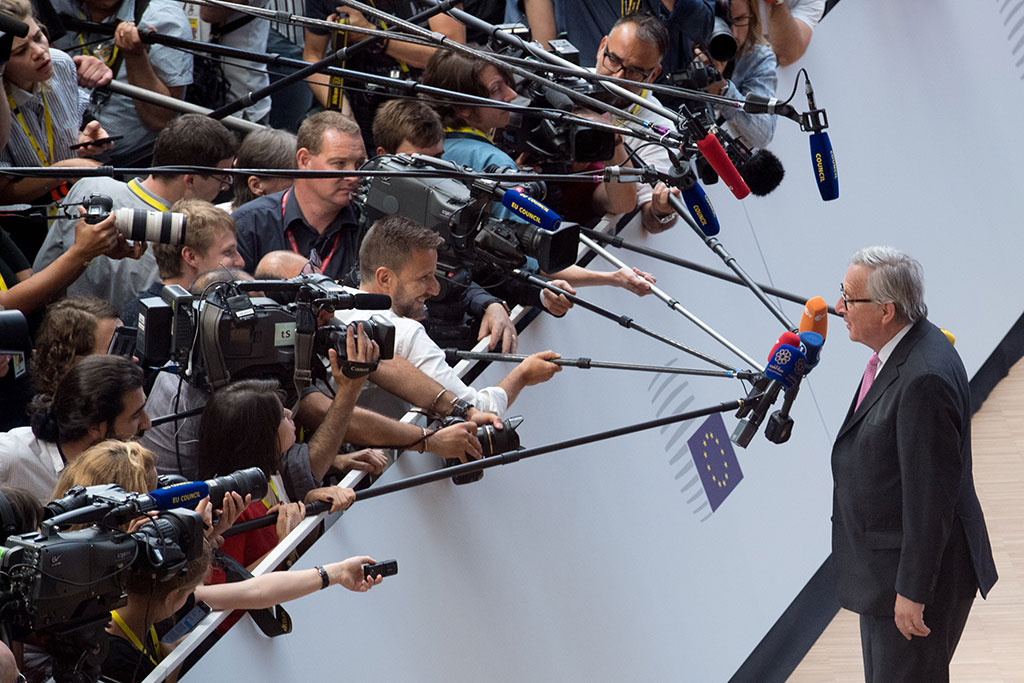
Europe, the EU, is not doing as badly as is often claimed. But institutional imbalances are emerging that may trigger a crisis.
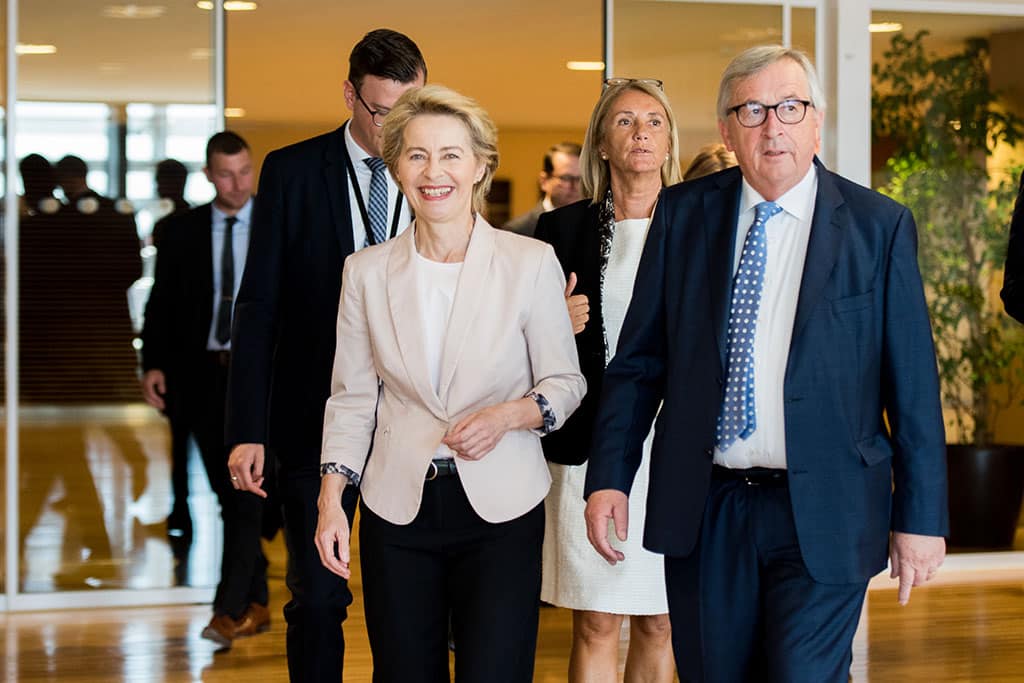
The nomination of Ursula von der Leyen is a victory in the battle of wills for those who freely designate the head of government of their choice.
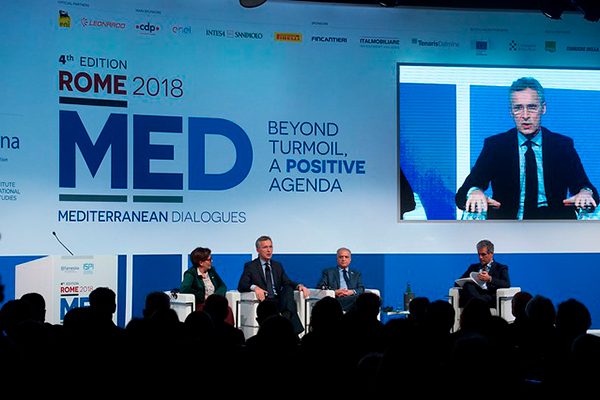
NATO has always had a southern exposure. Today’s strategic environment provides a new context for this traditional question, but also raises fundamental questions of geography, alliance politics and a shared approach to risks.

What is the new balance of power in the EU’s institutions following the May 2019 elections?
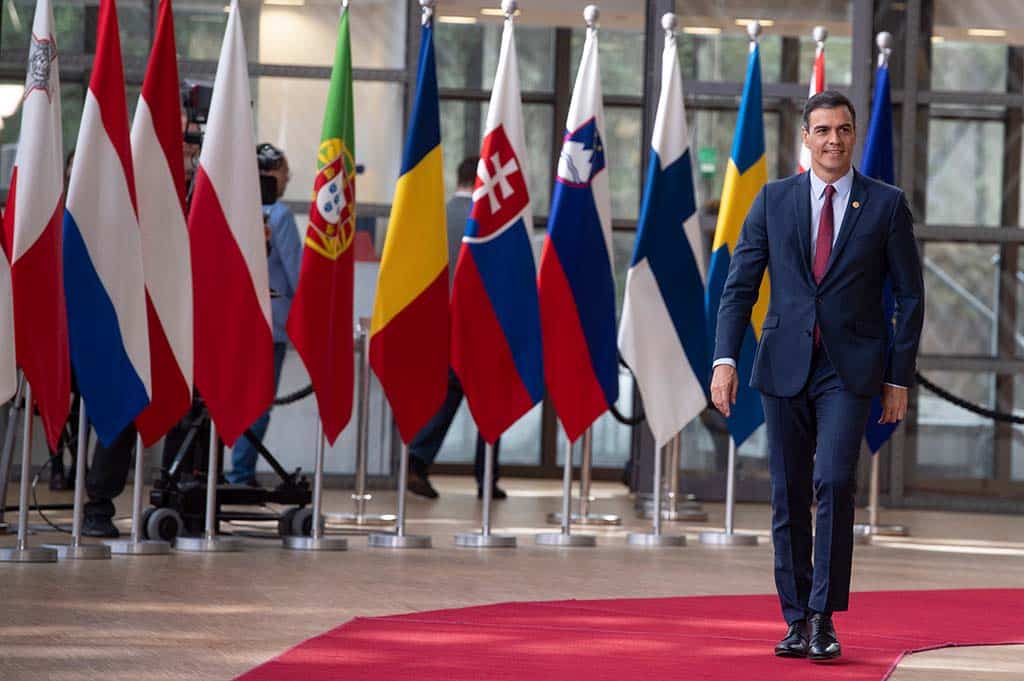
Spain, a country that is strongly pro-European, deserves a top job in the EU and Pedro Sánchez is determined to get it.
28 - 34 of 84 pages