
Fifty years of economic and political cycles in Latin America: ‘voting with the wallet’ still rules
Have political and economic cycles in Latin America been synchronised and driven by common external factors over the last 50 years?
Have political and economic cycles in Latin America been synchronised and driven by common external factors over the last 50 years?
The geopolitics of Latin American countries reflects strategic positioning, not neutrality or non-alignment in the US–China rivalry.
An IMF agreement is key to the Milei plan, which could transform the current scheme into an orderly transition to a sustainable model.
Mexico and the EU consolidate their strategic association with a modernised agreement that expands economic opportunities.
EU partnerships with Colombia and Chile aim to strengthen cooperation, promote a just energy transition, and address climate challenges.
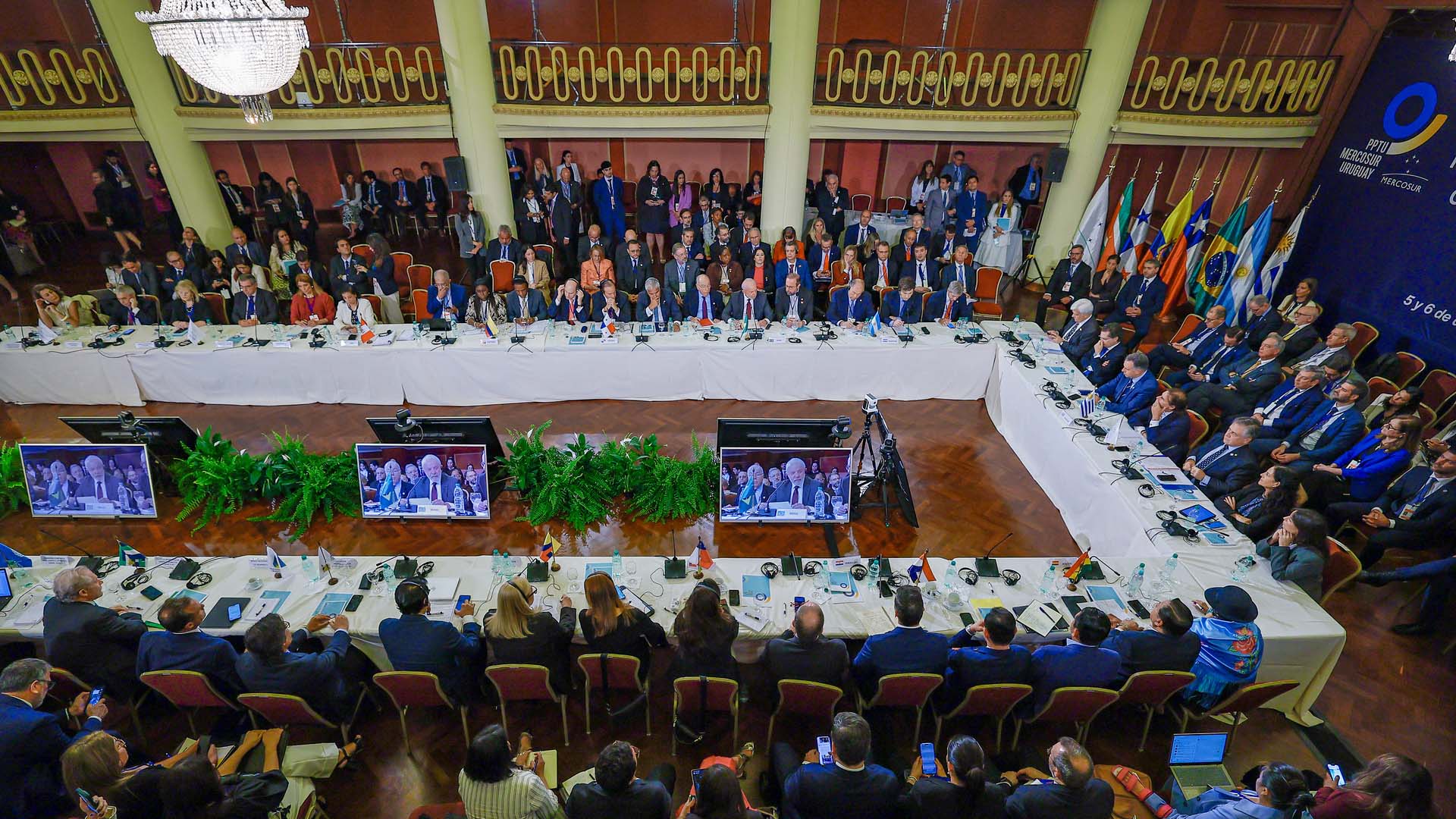
The EU-Mercosur agreement boosts tariff reduction and strengthens a strategic relationship between the two regions.
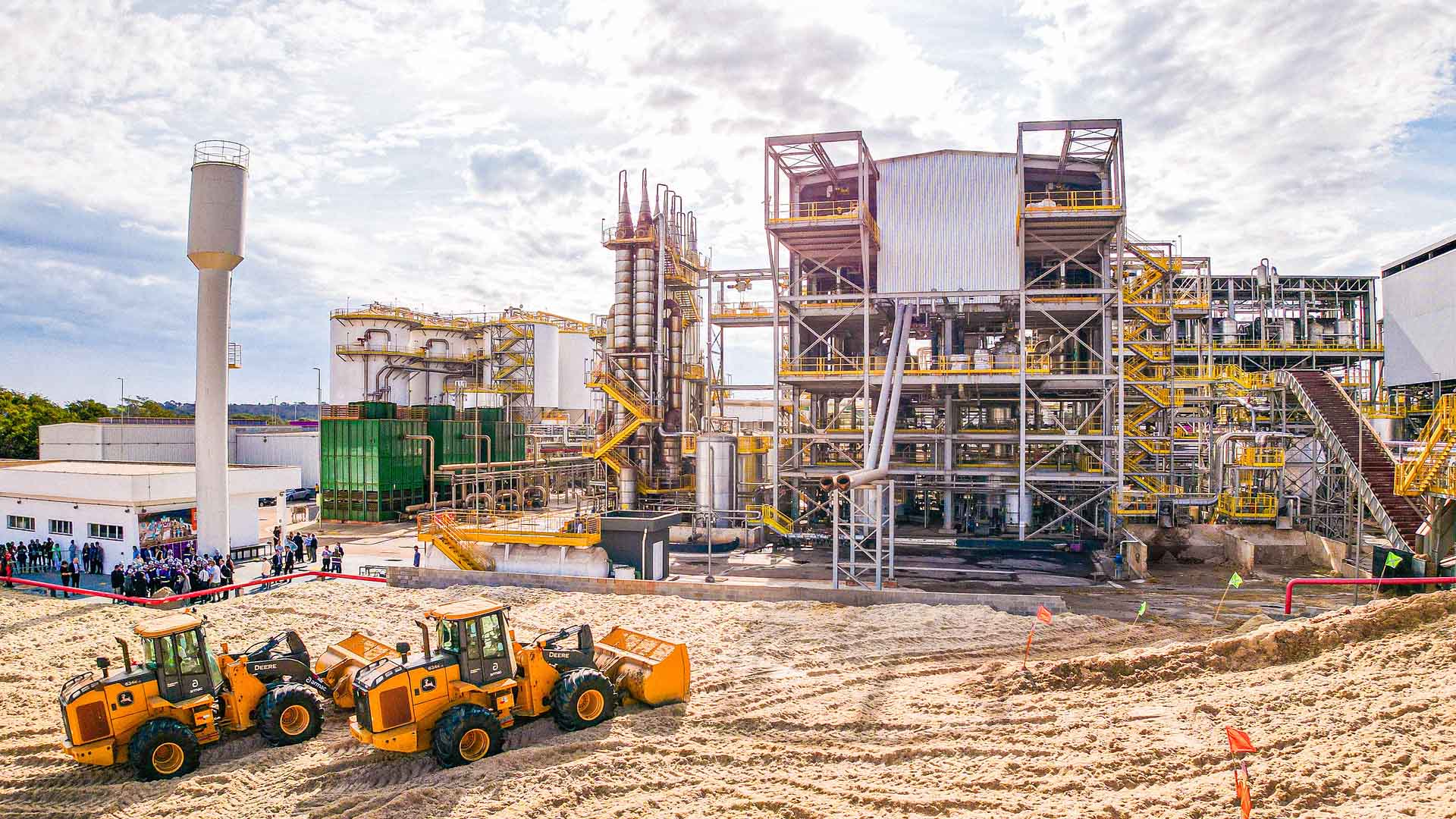
Mercosur-EU agreement transforms global trade by prioritising clean energy, sustainable industrial chains and joint climate goals.
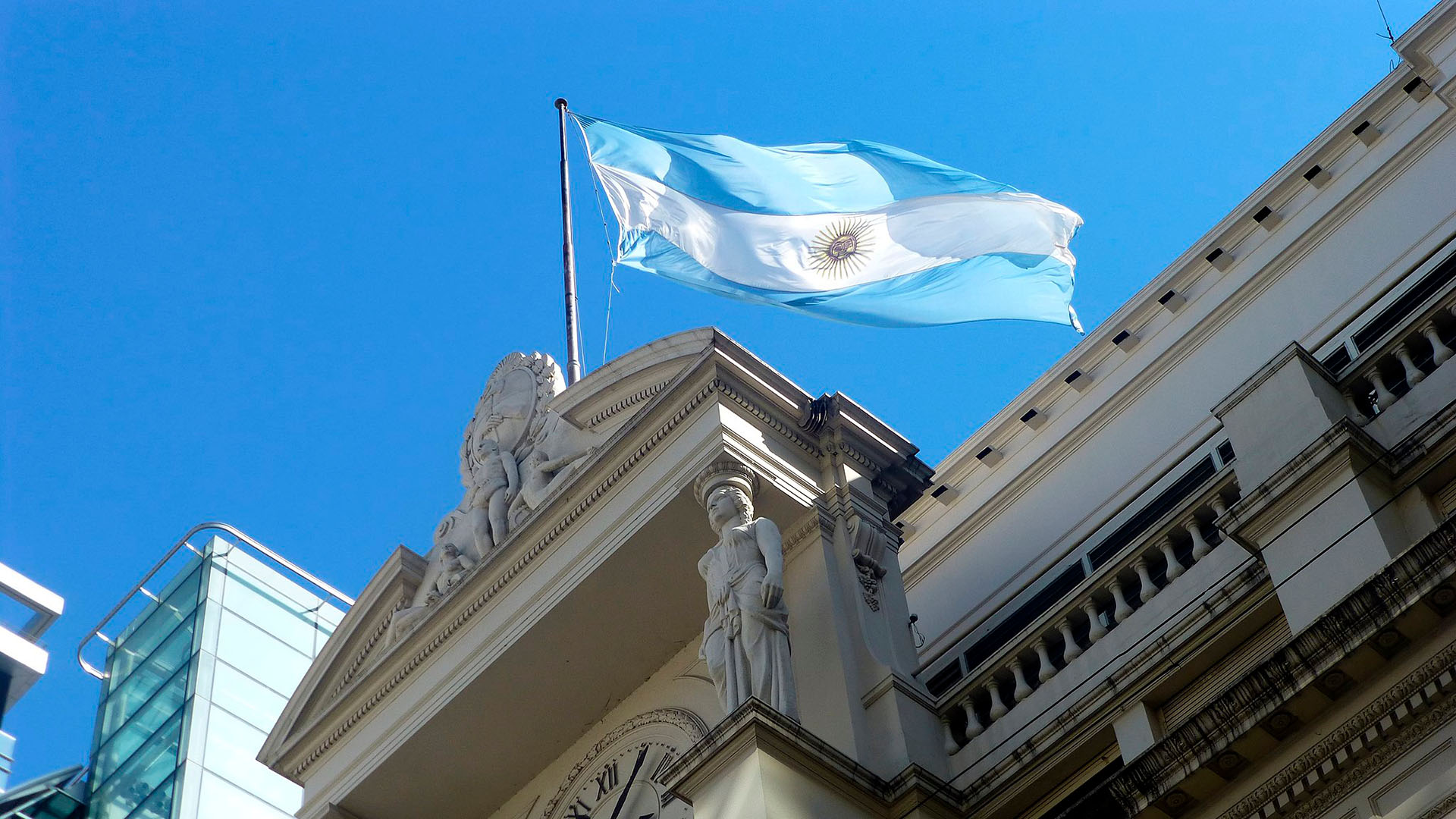
Hybrid monetary policies and exchange rate controls underpin the stabilisation plan, balancing inflation control with economic challenges.

After 25 years of negotiations, the EU-MERCOSUR Agreement will boost economic and political ties between Europe and Latin America.
1 - 6 of 22 pages