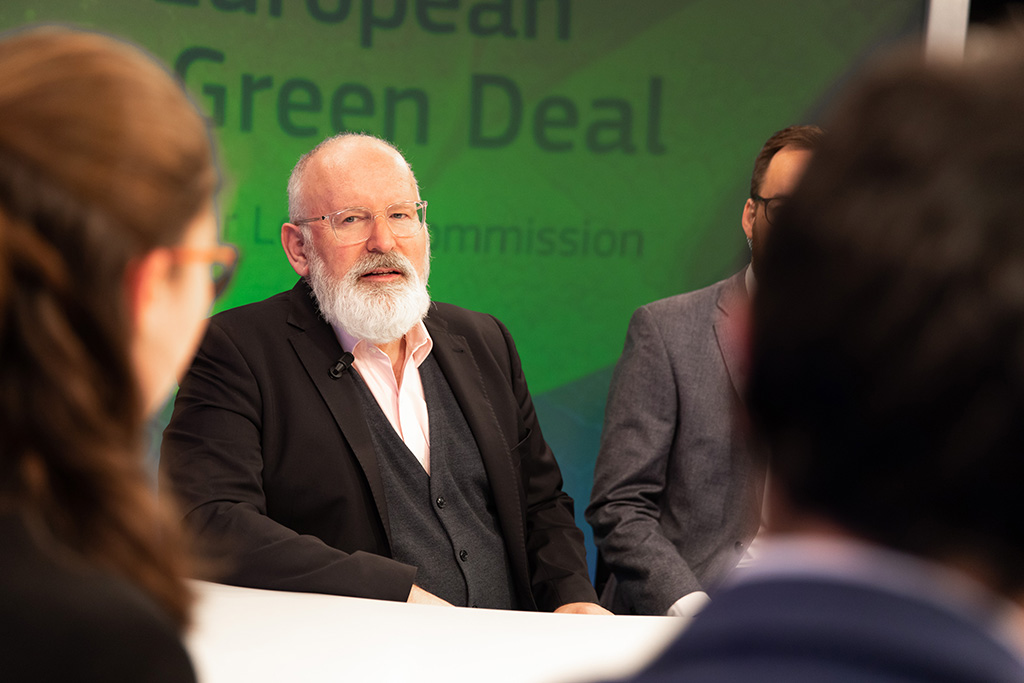
A look at the geopolitics of the European Green Deal
The European Green Deal can actually act as a driver for the economic recovery after the COVID-19 crisis not only for Europe.
The European Green Deal can actually act as a driver for the economic recovery after the COVID-19 crisis not only for Europe.
While the priority of governments and citizens is undoubtedly the fight against coronavirus, the radical change in the short-term context should not distract energy and climate policy from the challenges it faces over the medium and long terms.
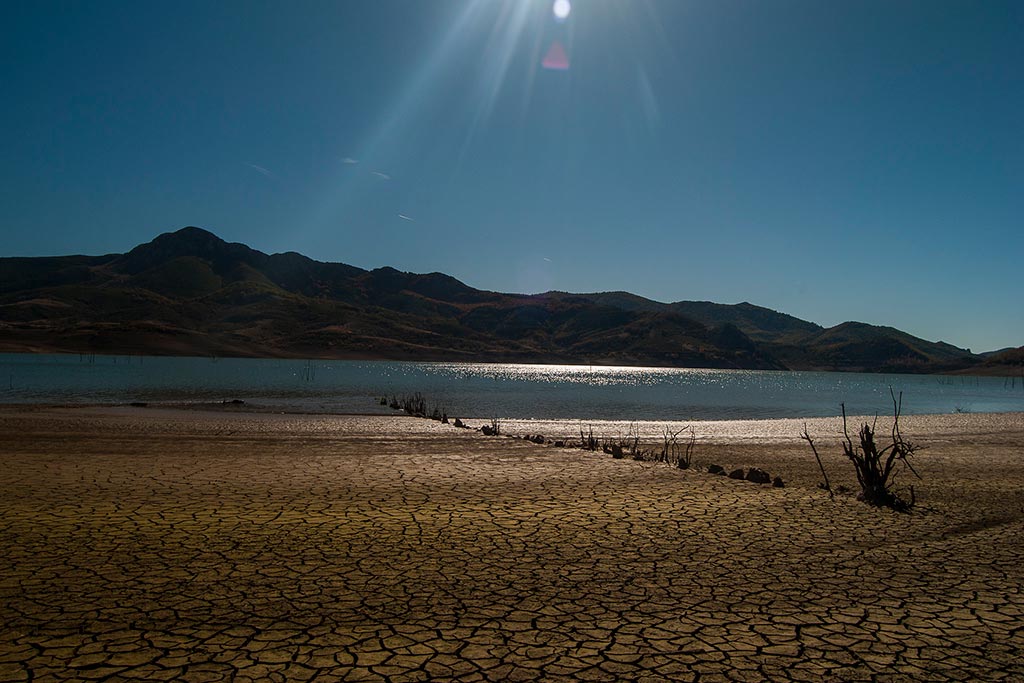
The COVID-19 pandemic and climate change have been argued to share the problem of exponential growth, in expansion and in emissions.
This working paper aims to provide an updated analysis of the key features enshrined in climate laws that can be considered in the adoption of Spain’s upcoming Climate Change and Energy Transition Law.


This report is a primary data source for the power system modelling in the MUSTEC project, which will bring detailed, quantitiave insights of how the potential role for dispatchable renewables is affected by energy policy decisions.
This report investigates the potential future need for and role of two of the main dispatchable renewable power sources available in Europe – CSP equipped with thermal storage and dispatchable hydropower (dam and pumped hydro).
Does the current European geopolitical energy landscape foster or hamper renewable energies’ cooperation and exchanges? Which geopolitical or strategic role may renewables play? Are renewables (and CSP) included in governments’ energy security strategies?
An Official UNFCCC Side-Event on the role of legislation in implementing NDCs organised by the Elcano Royal Institute, CR2 and Grantham Research Institute.
8 - 14 of 21 pages