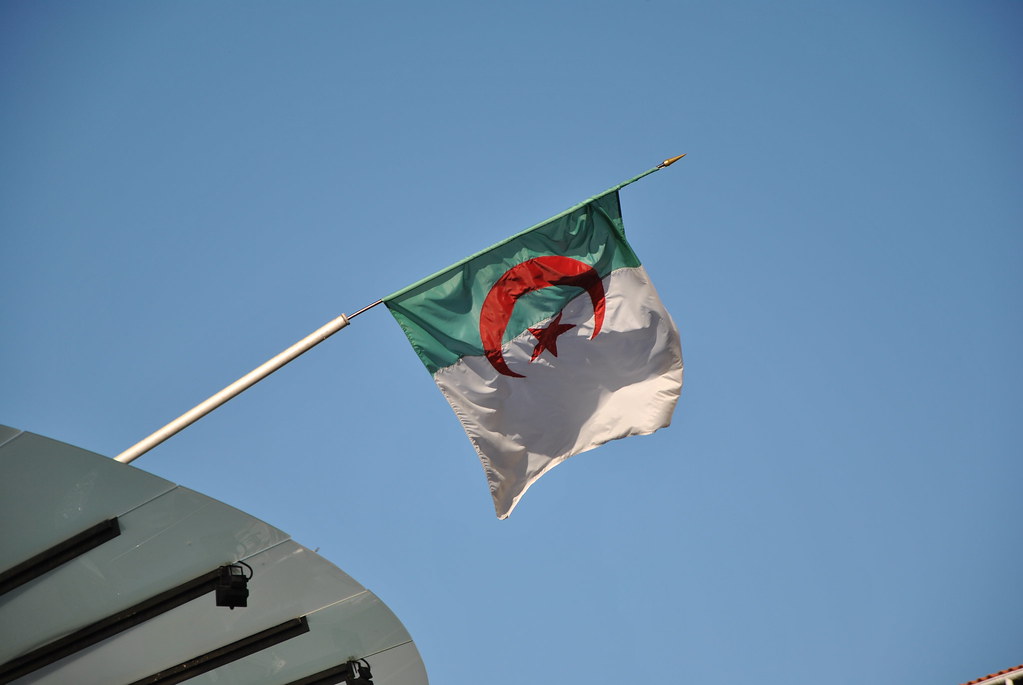
A political economy of low oil prices in Algeria
Low oil prices seem to have slightly shifted Algerian political economy balances, making economic (and energy) reform more attractive.
Low oil prices seem to have slightly shifted Algerian political economy balances, making economic (and energy) reform more attractive.
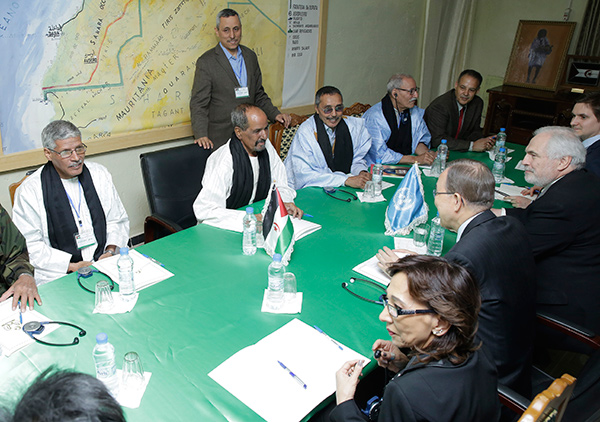
The Secretary-General of the UN, Ban Ki-moon, has incurred the wrath of Morocco by referring to the ‘occupation’ of the Western Sahara and recalling the uncertainty that has surrounded the status of this territory for over 40 years.
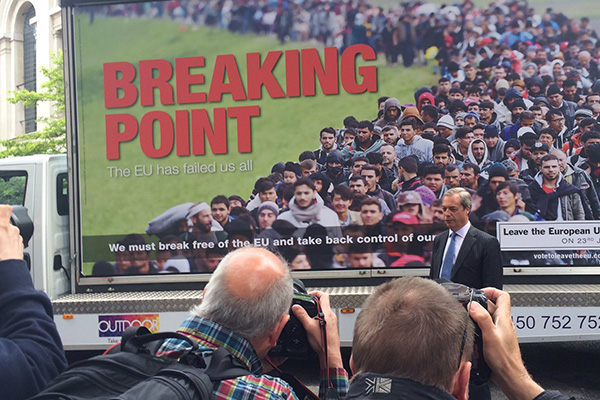
The UK’s vote to withdraw from the EU has many and complex causes but it cannot be understood without making reference to the turbulence generated by the Syrian conflict.
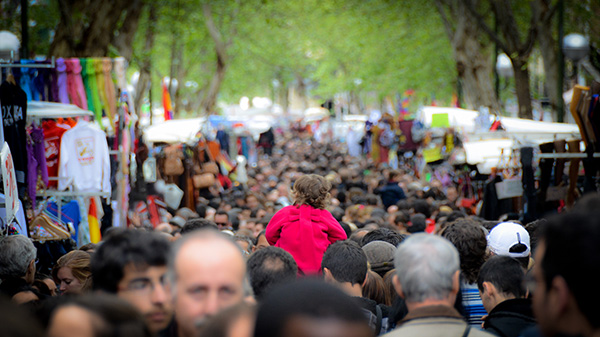
Spain can boast of having integrated a wave of migrants of singular size and intensity into its society. It is still, however, a long way from the countries where first-generation immigrants and their offspring have secured prominent roles in public life.
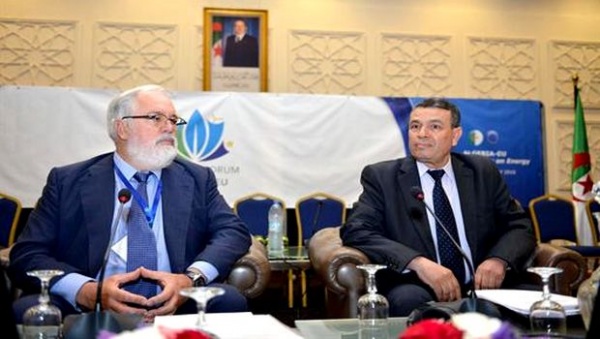
The Algeria-EU business forum on energy cooperation held in Algiers last 23 and 24 May has for the first time put together Algerian and European industry representatives and public officials, including regulatory authorities.
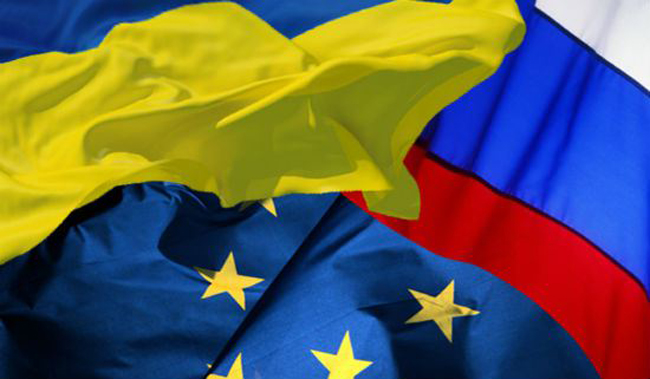
The end seems in sight for the economic sanctions against Russia. For the EU, it seems to be the case that Russia is no longer that bad.
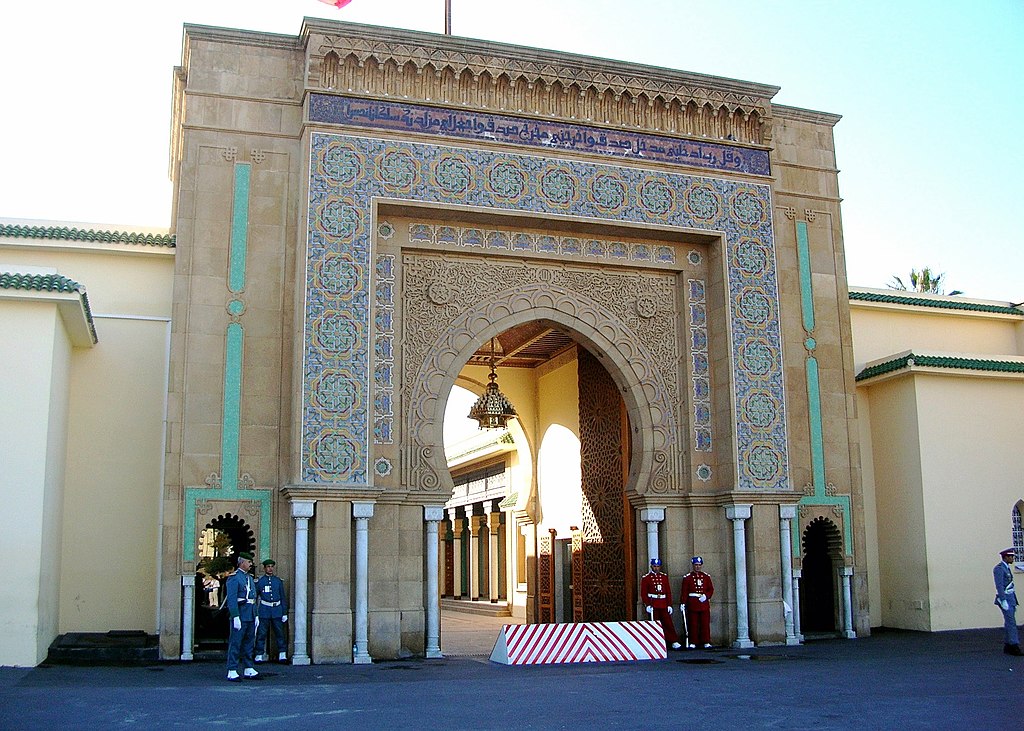
The third way of peaceful and evolutionary reform has allowed Morocco to embrace proactive change as the guarantee of its long-term stability.
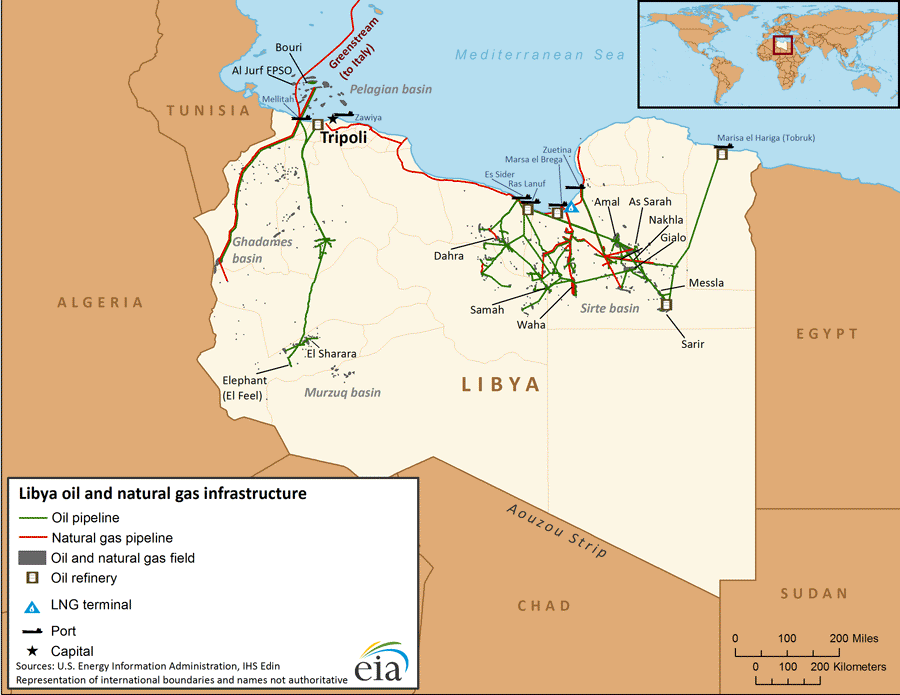
The decline in the oil price and the problems in restoring the level of exports are causing Libya’s economy and current accounts to haemorrhage.
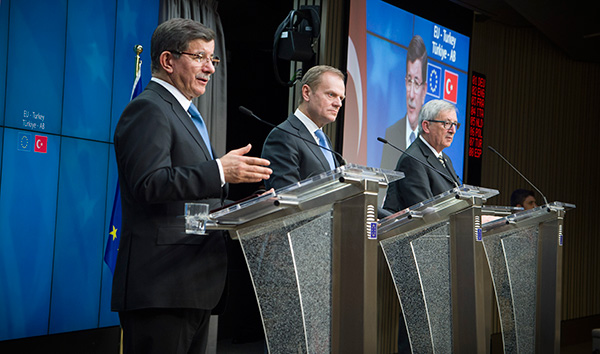
The refugee deal of 2015, followed by the opening up of a negotiation chapter, has revitalised the relations between Turkey and the EU; however, there are crucial points to bear in mind for future relations to be sustained.
10 - 16 of 27 pages