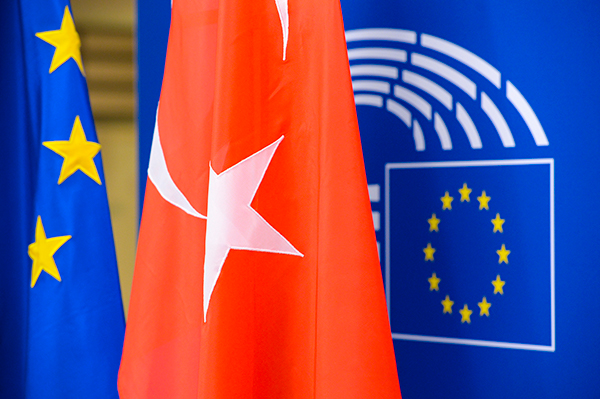
Two to tango: the unchanging complexity of Turkey-EU relations
Another European Council meeting went by, with no substantial changes regarding Turkey-EU relations. But, this story is not over.
Another European Council meeting went by, with no substantial changes regarding Turkey-EU relations. But, this story is not over.
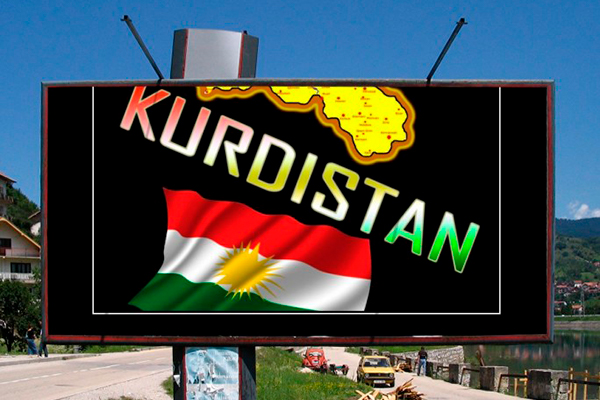
Terrorism, oil, the crisis in Iraq, the Syrian civil war and the burden of geopolitics all weigh against the birth of a new Kurdish state.

As a candidate and negotiating country, Turkey is closely following the recent developments and debates about the EU’s current situation and future, since they are intimately related to its own future.
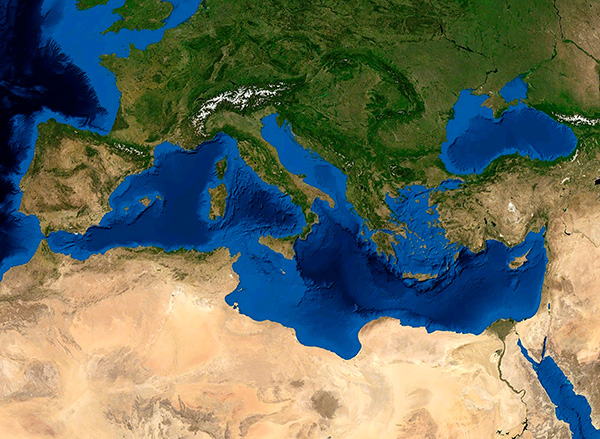
The transformations that have taken place in the EU’s Mediterranean Neighbourhood have reduced the options for a shrinking Euro-Mediterranean policy.
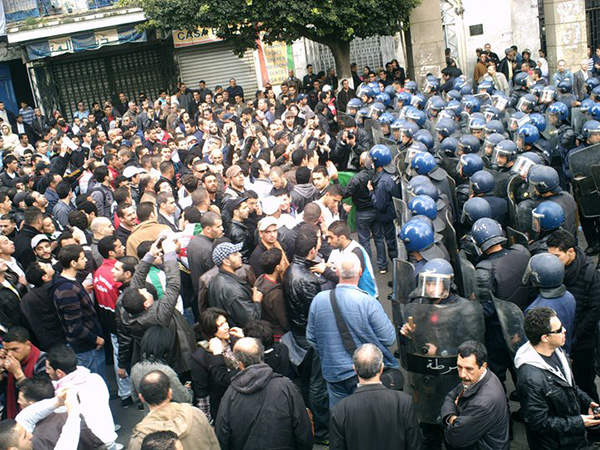
In a context of social and economic distress, Algeria is no longer able to maintain its current approach to the welfare state while avoiding deep structural reforms.
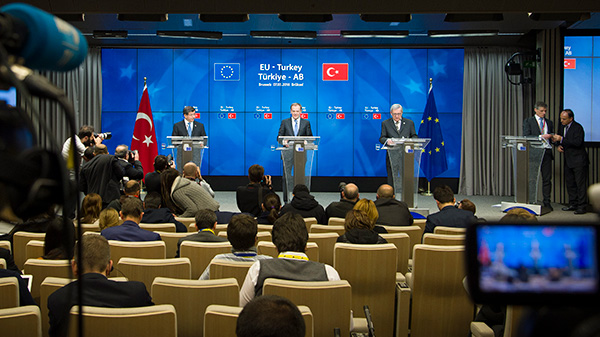
An honest assessment of the refugee deal is very much needed since the EU is considering new ones with other transit countries. Both Turkey and key EU countries are facing electoral challenges as well: internal politics and foreign policy decisions are highly interwoven.
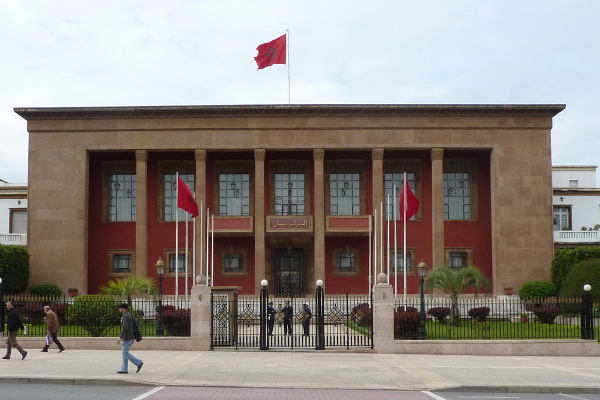
On 7 October 2016 the Justice and Development Party revalidated its victory in the Moroccan parliamentary elections.
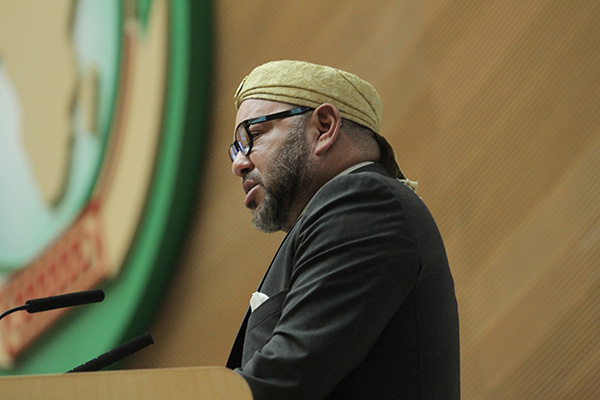
Morocco has made a strong bet by entering the AU, but it is also evident that its bet is accompanied by real risks for its own interests and image.
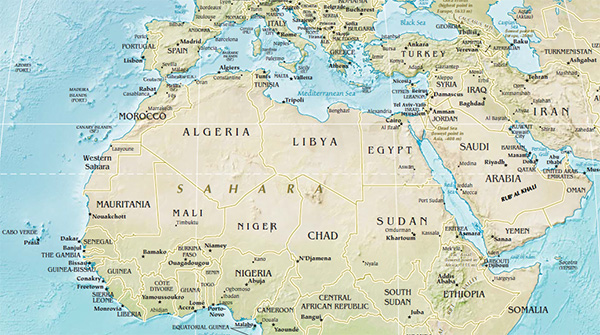
Europe’s southern neighbourhood is a diverse but interlinked geopolitical ensemble, whose specificities need to be carefully assessed before Europeans devise dedicated security strategies, divide responsibilities and make policy decisions.
9 - 15 of 27 pages