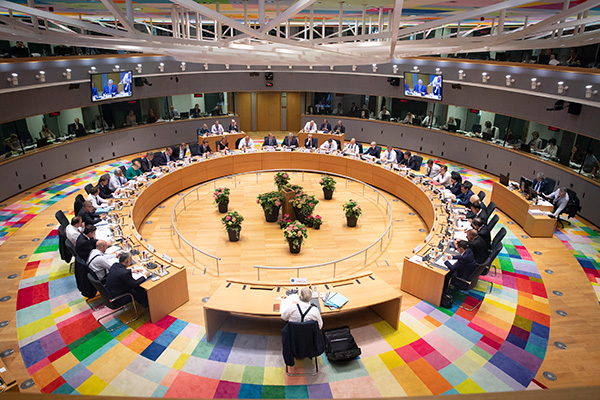
The European Council and migration: any progress?
The European Council has come up with a vague agreement, but it has avoided a political crisis and at the same time made more visible the seriousness of the migration challenge to the EU.
The European Council has come up with a vague agreement, but it has avoided a political crisis and at the same time made more visible the seriousness of the migration challenge to the EU.
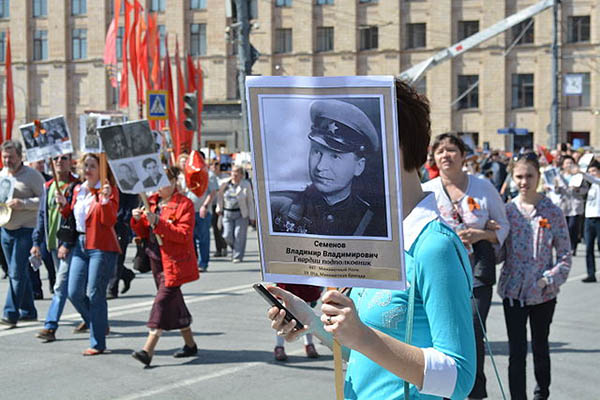
The March of the Immortal Regiment has been celebrated each year since 2012 in hundreds of Russian cities and many others beyond Russia.
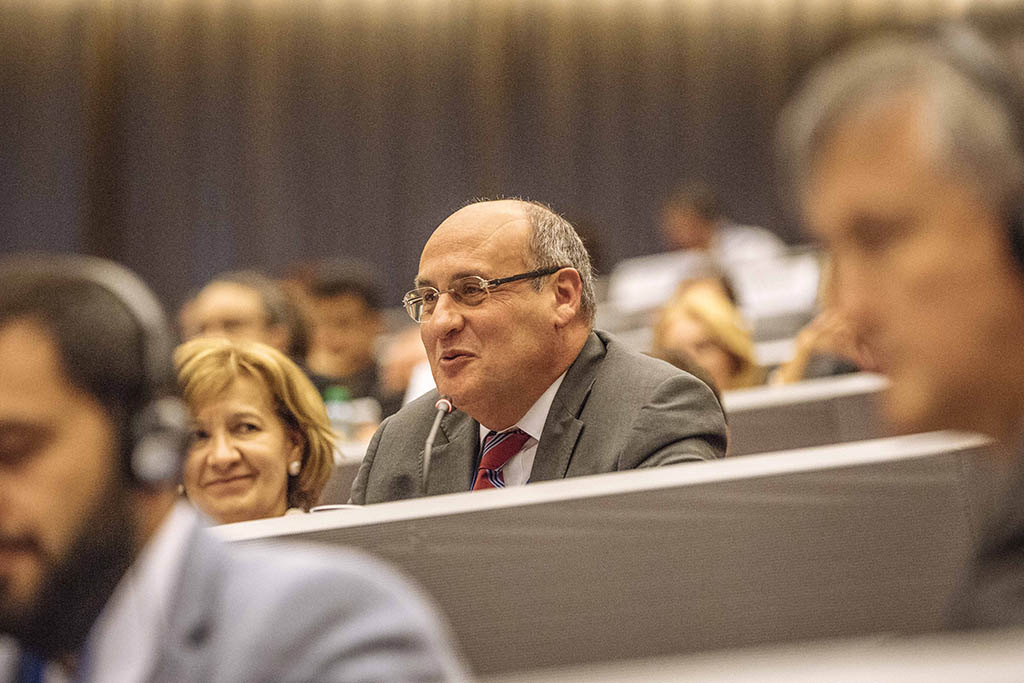
The Portuguese António Vitorino will head the International Organization for Migration (IOM) for the next five years from 1 October.
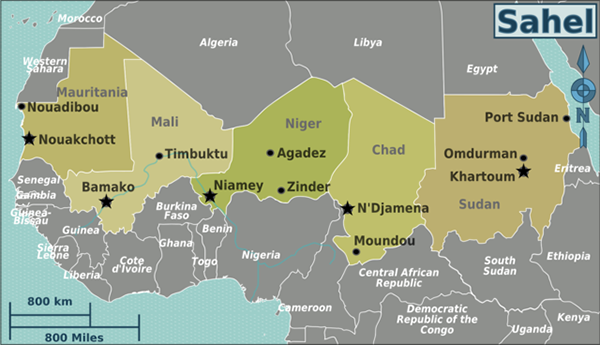
The lessons that al-Qaeda in the Islamic Maghreb (AQIM) has learnt after years of activity in the Sahel have crystallised in the creation of JNIM. This paper analyses its propaganda to shed light on this new alliance and its relationship with the regional organisational structure.
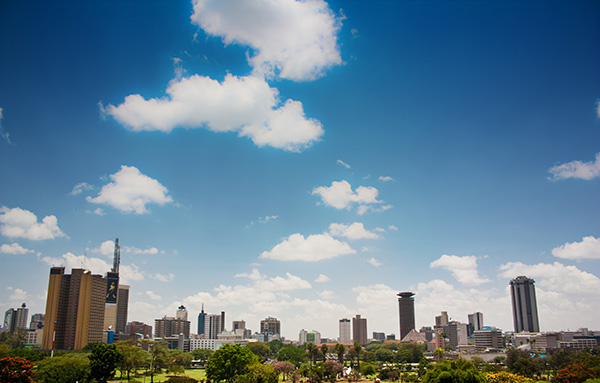
The evolution of African economies since the end of the raw-materials boom has been marked by a growing heterogeneity. The EU’s development cooperation should adapt to the new realities unfolding on the continent.
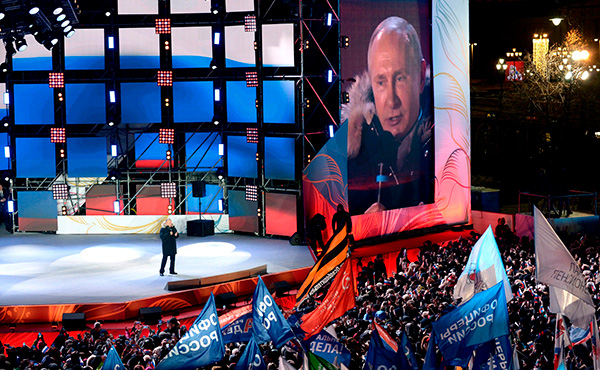
What have been the keys to the victory of Vladimir Putin in the presidential elections held on 18 March? Does the election imply a change in the current Russian political system?
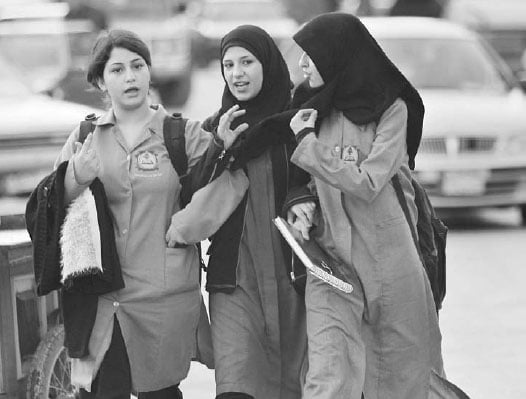
Since the turn of the century a relatively silent revolution of great scope has been taking place: the education and the entry into the labour market of 50 million women in predominantly-Muslim countries.

Tunisia has had very little press over the last seven years, with a few reports referring to it as the last glimmer of hope of what was so hastily dubbed the ‘Arab Spring’ or as a target of jihadism.
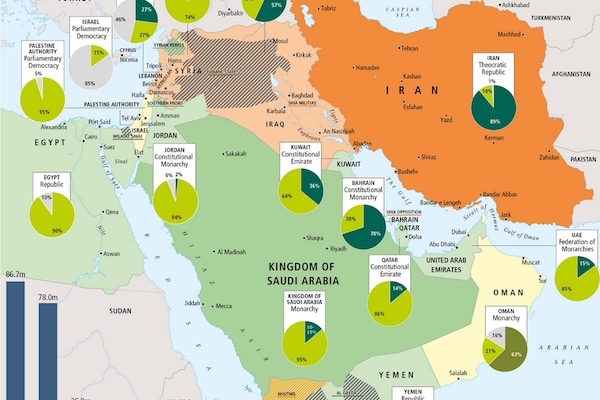
An antagonism dominates the Middle East: the rivalry that pits Riyadh against Teheran. Their destinies are intertwined, not by a quantum relationship but one that is very real and ideological.
7 - 13 of 27 pages