The AI challenge for Spain
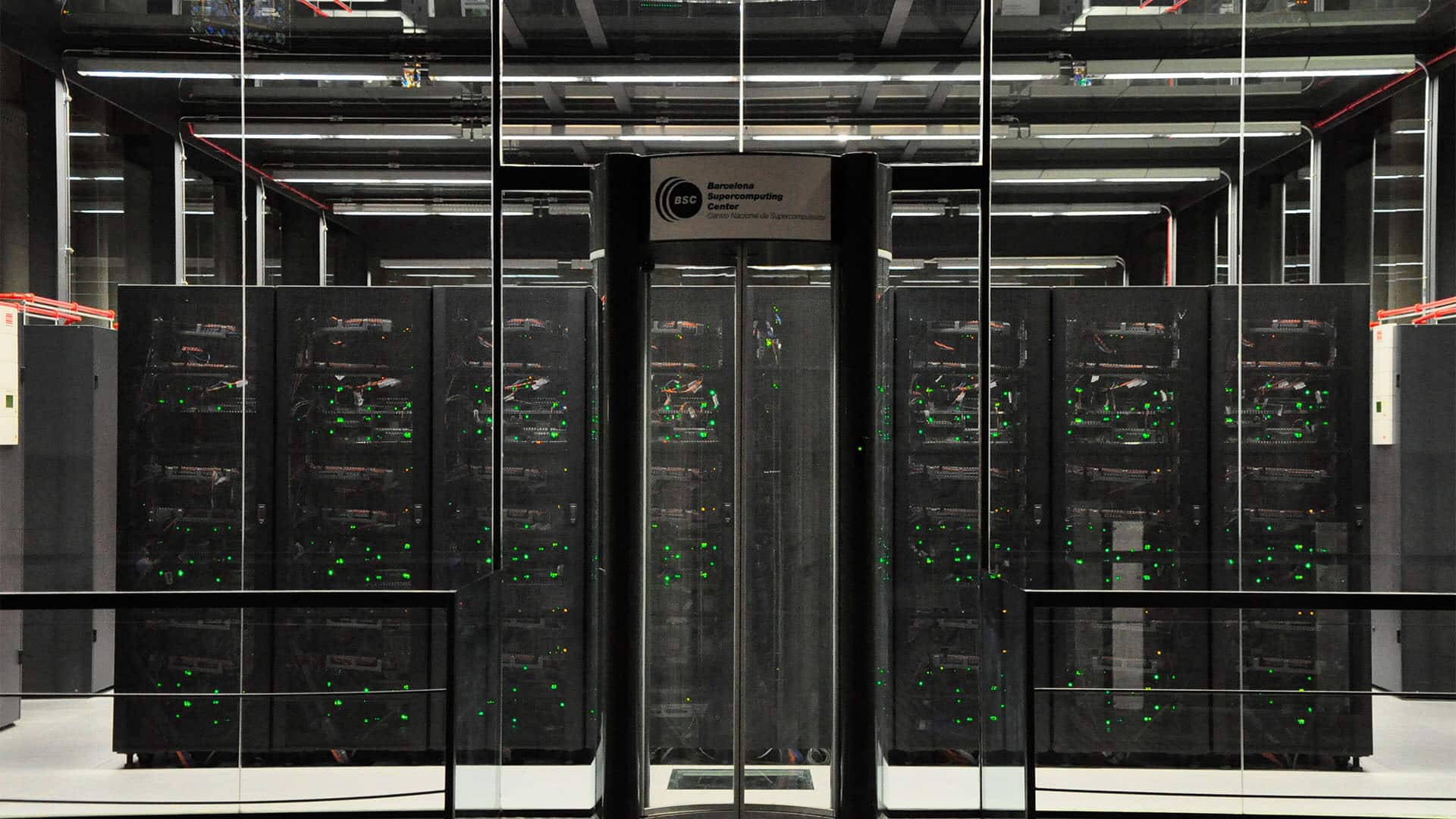
Despite its strong digital infrastructure, Spain faces labour risks from AI due to its high unemployment, particularly among the youngest workers.
Despite its strong digital infrastructure, Spain faces labour risks from AI due to its high unemployment, particularly among the youngest workers.

The EU-UK treaty on Gibraltar will enter provisionally into force, avoiding a hard and not a fluid border and its economic consequences.

More than 500,000 undocumented migrants and asylum seekers in Spain will begin to request legal status under a decree law.

The role played by the king in ending Spain’s international isolation and bringing it onto the global stage has received scant attention.

This year Spain’s population is expected to reach 50 million inhabitants, almost entirely due to net international migration.

In a divided country like Spain, the parliamentary monarchy serves as a unifying force and a symbol of stability.

One in five young adults view the Franco dictatorship as ‘very good’ or ‘good’, although they did not experience it.
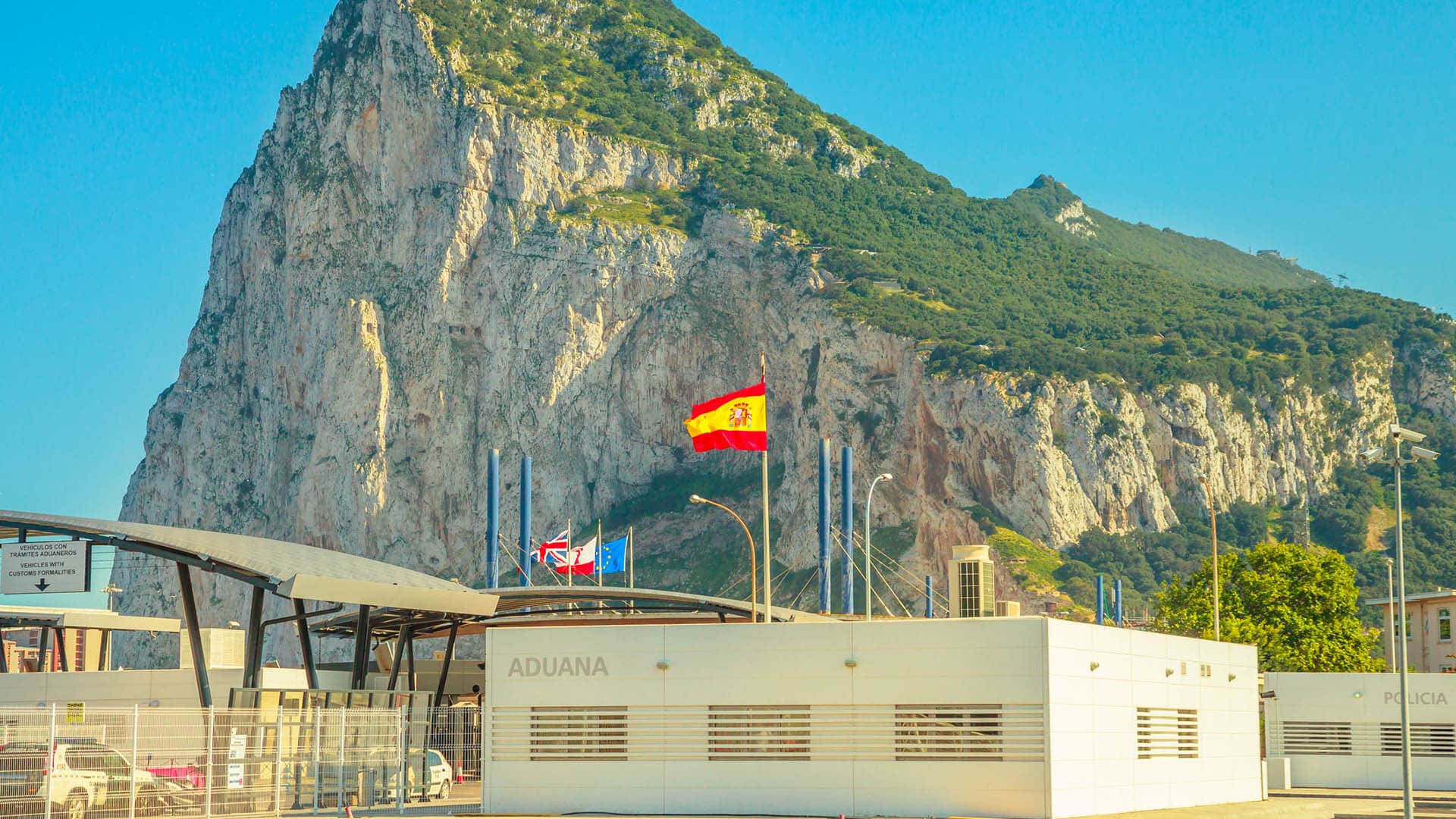
The UK-EU agreement on Gibraltar has unlocked a road map for greater cooperation between Spain and Britain.

Immigrants and foreign workers are driving the increase in the working-age population and fuelling Spain’s economic growth.
1 - 4 of 6 pages