
China’s Digital Silk Road in Latin America and the Caribbean
China is gaining presence in Latin America and the Caribbean by means of technology agreements. The EU and Spain cannot afford to lag behind.
China is gaining presence in Latin America and the Caribbean by means of technology agreements. The EU and Spain cannot afford to lag behind.
This analyses changes in civil-military relations in Latin America in the crisis scenario created by the rise of organised crime

Latin American states have benefited from regional cooperation to improve their cybersecurity but are not leveraging this cooperation for issues of international peace and stability in cyberspace.
Russia’s future role in Latin America and how its actions will benefit or harm Spain remain unclear.

The coronavirus crisis in Latin America has resulted in increased presidential power in countries without the institutional strength to support their leaders and hold them to account.
Latin America ranks fourth in the global presence ranking. However, the gaps with the Middle East and Africa are narrowing.

Electricity rationing has become routine over the past decade in Venezuela. However, this blackout quickly proved to be different to most.
The presence of evangelical churches in the political life of various Latin American countries has increased significantly in recent years.
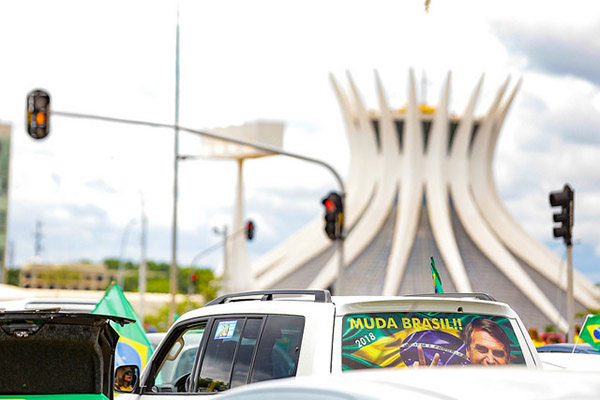
On 1 January 2019 Jair Bolsonaro will become the next President of Brazil. What could be the key elements of the new Administration’s foreign policy?
5 - 11 of 22 pages