
Sedition in Catalonia (1): on the brink
How can it be that Catalonia, one of the most prosperous, autonomous, cosmopolitan, modern and attractive regions on earth, is about to jump over a cliff?
How can it be that Catalonia, one of the most prosperous, autonomous, cosmopolitan, modern and attractive regions on earth, is about to jump over a cliff?

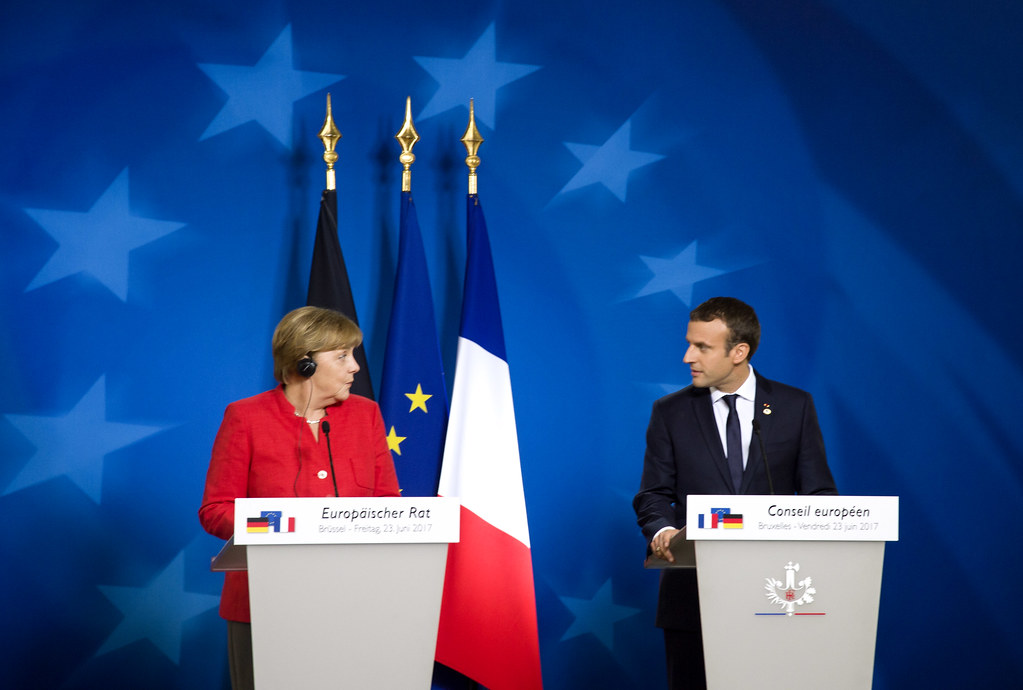
A ‘great leap forward’ in European integration is very unlikely to occur in the German-French discussions on the EU.
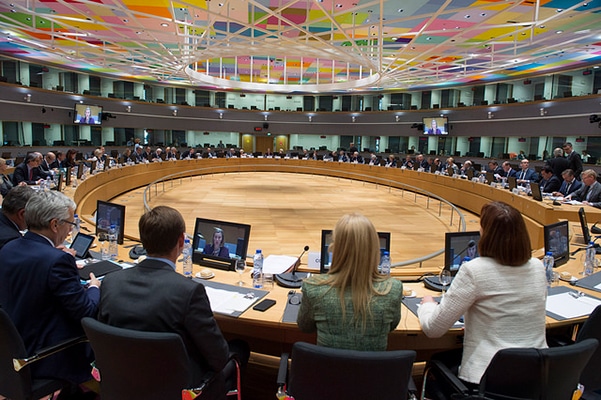
The historic step that has just been taken in defence suggests that the EU prefers to close ranks when advancing onto new ground.

During the independence referendum in Catalonia, Russia used the ‘combination’ (kombinaciya), an operation can integrate instruments such as cyber warfare, cyber-intelligence, disinformation, propaganda and collaboration with players hostile to the values of liberal democracy.

The EU has supported the Spanish government in its dispute with the separatists of Catalonia. It has done so in defence of its own interests.

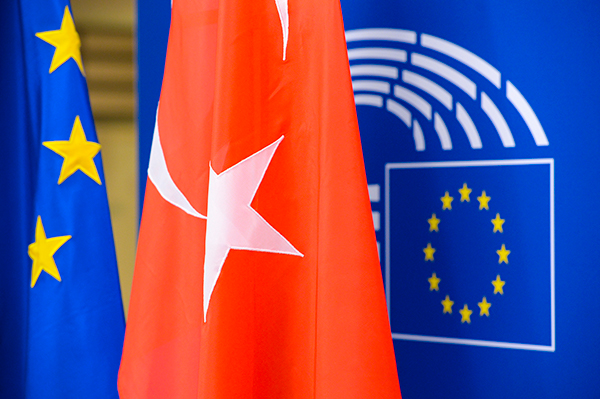
Another European Council meeting went by, with no substantial changes regarding Turkey-EU relations. But, this story is not over.
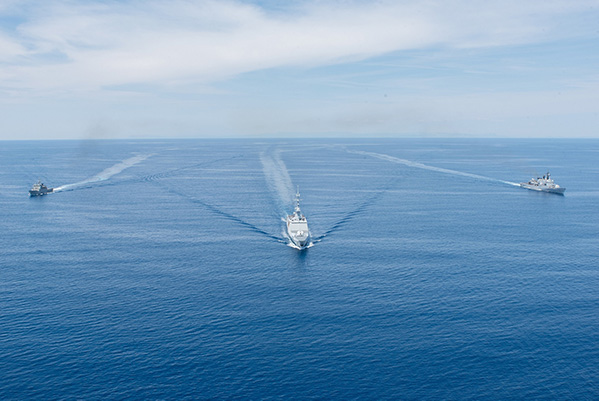
The proliferation of missiles and rockets has steadily grown in the Mediterranean. The issue will constitute one of the central challenges for NATO and EU policies in relation to their southern flank.
37 - 43 of 83 pages