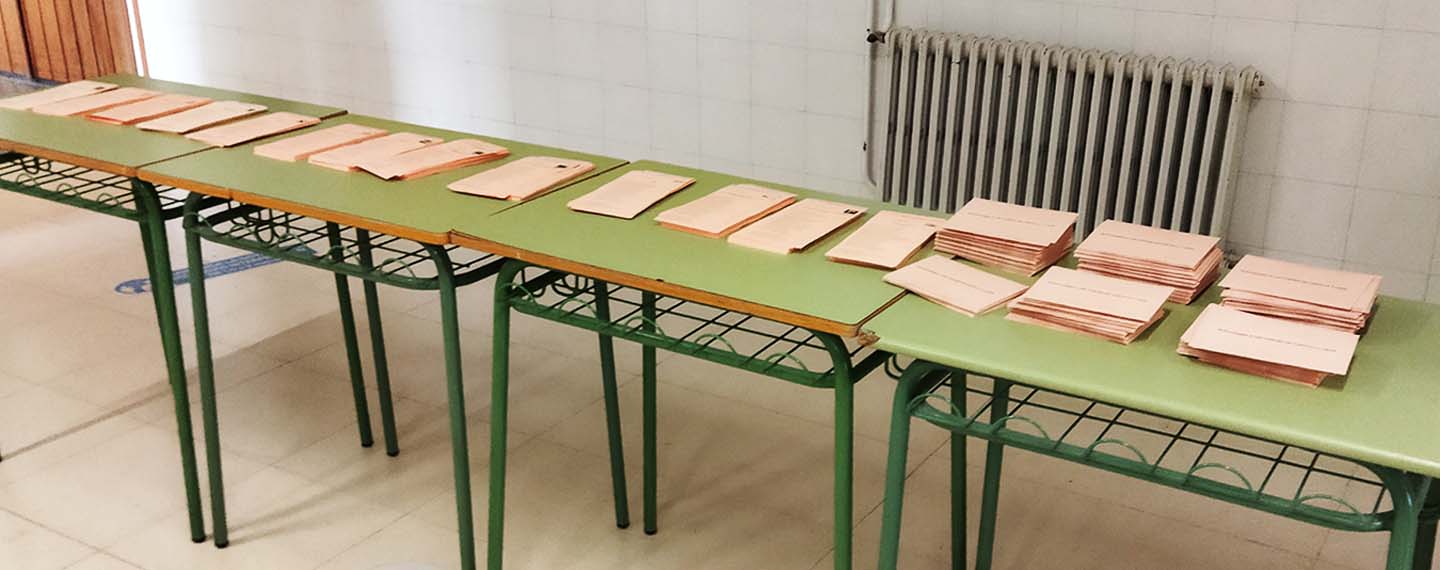
Spain’s intensely political year
In an ugly climate of polarisation and confrontation, Spain goes to the polls in May to elect more than 8,000 local councillors and 12 regional governments.
In an ugly climate of polarisation and confrontation, Spain goes to the polls in May to elect more than 8,000 local councillors and 12 regional governments.
Spain economic output is not expected to recover its pre-pandemic level until the second half of 2023, a tough year on several fronts.
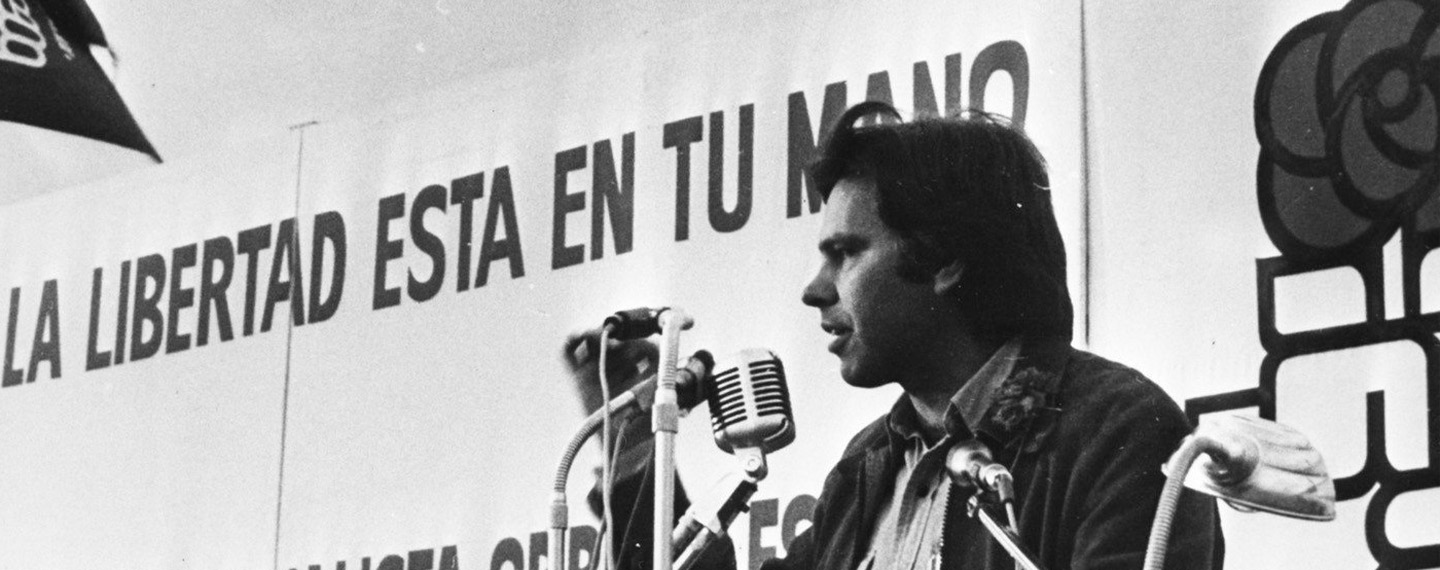
Spain started to be changed beyond recognition after the Socialists’ victory in 1982, but pressing issues remain.
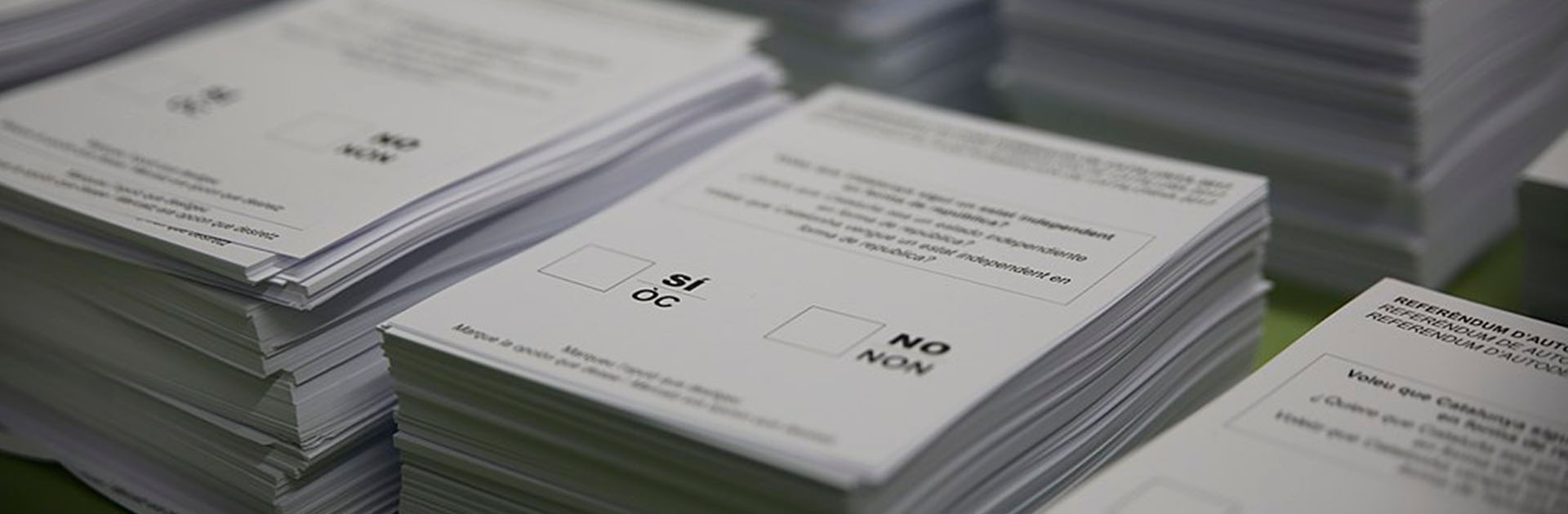
The exit of the junior partner from Catalonia’s pro-independence coalition government leaves the secessionists deeply divided.
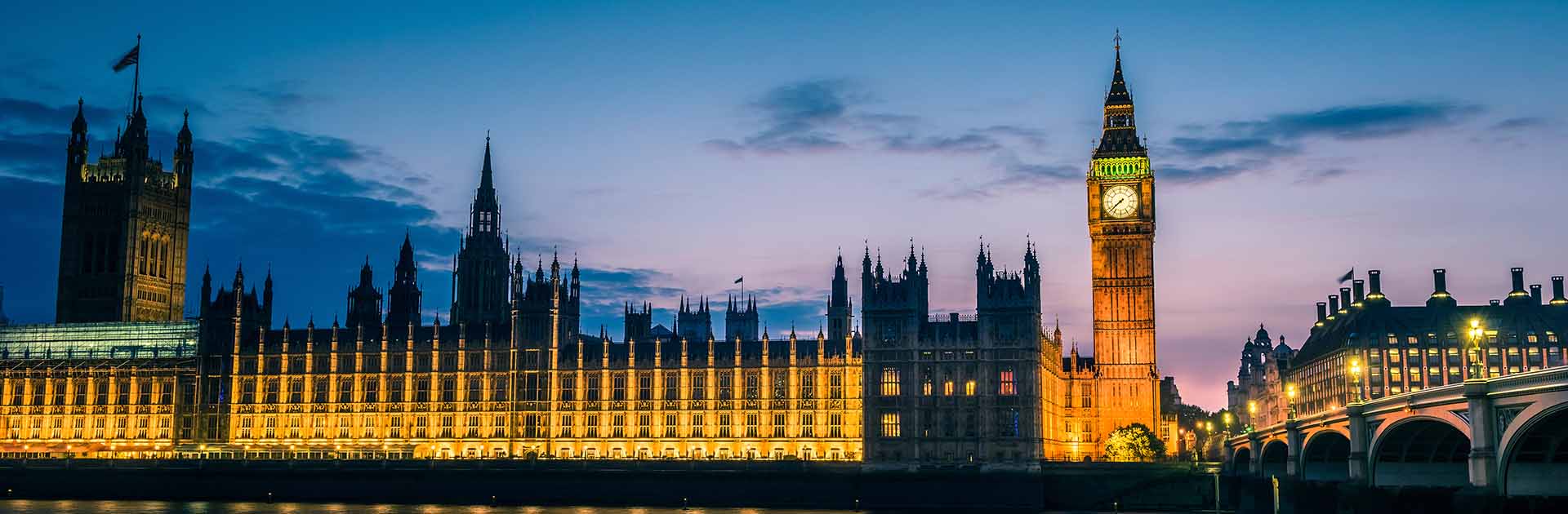
Like the UK, Spain’s monarchy has a long history and its reinstating in 1975 has served the country well.
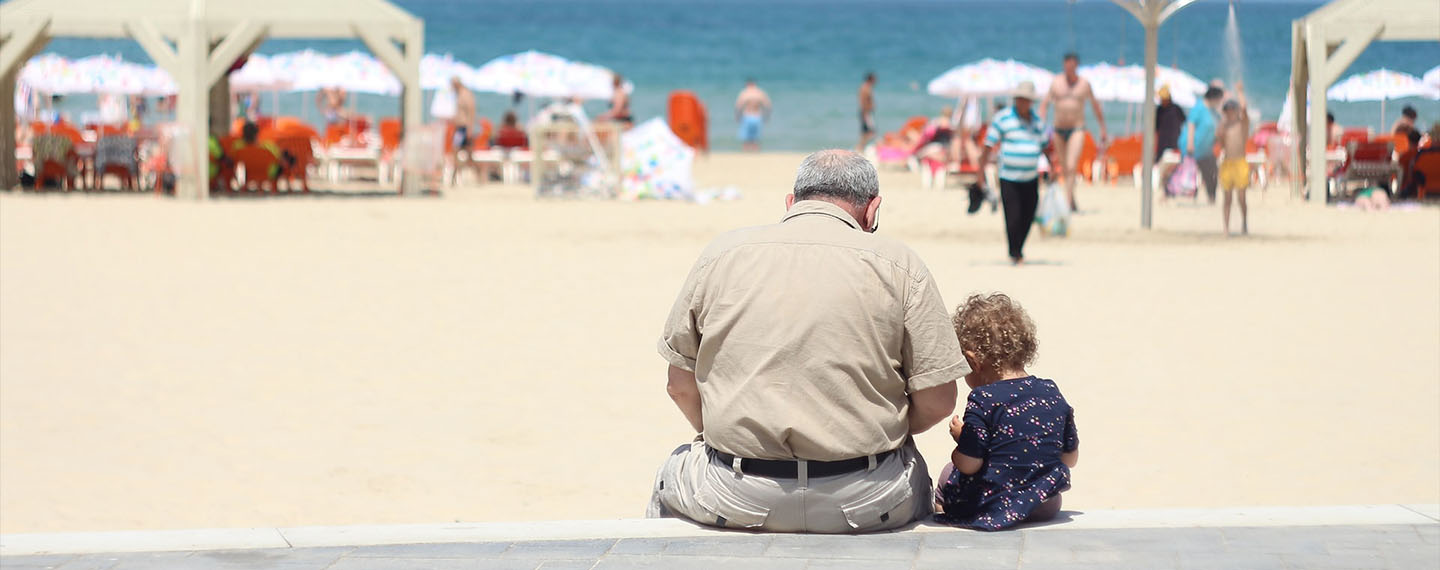
The arrival of immigrants saved Spain’s population from plummeting, but the birth rate (children) is still well below the replacement rate.
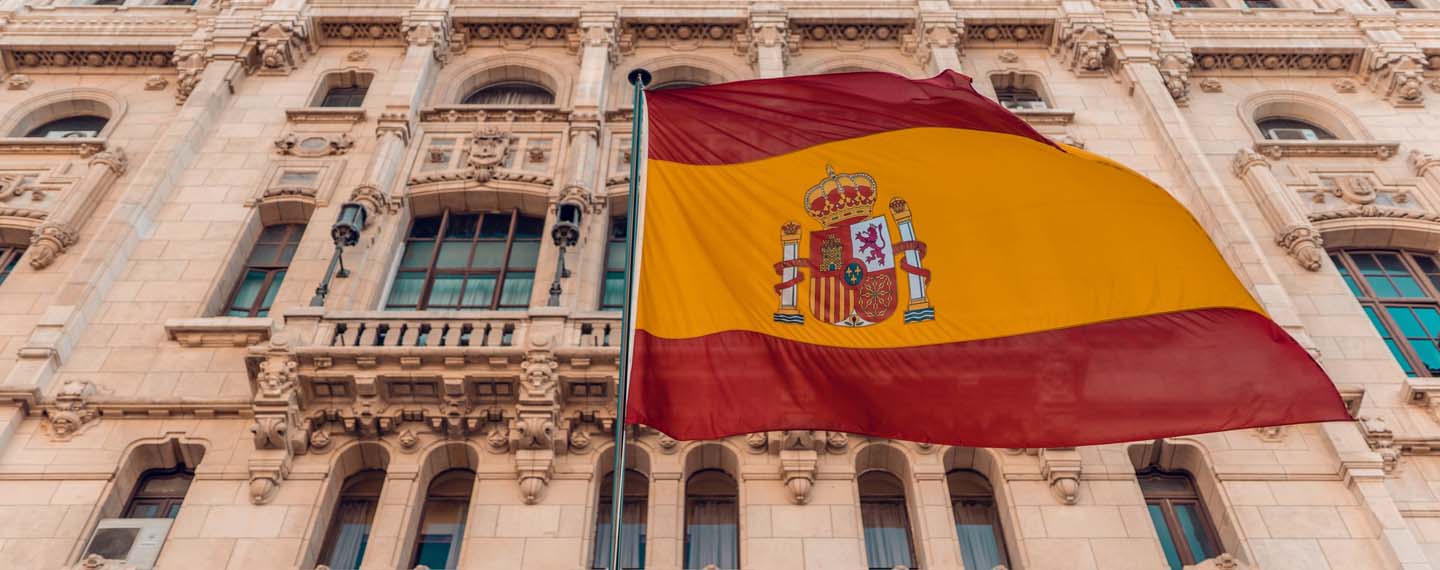
Reducing Spain’s history to its essentials is risky in a country that cannot even agree words for its national anthem.
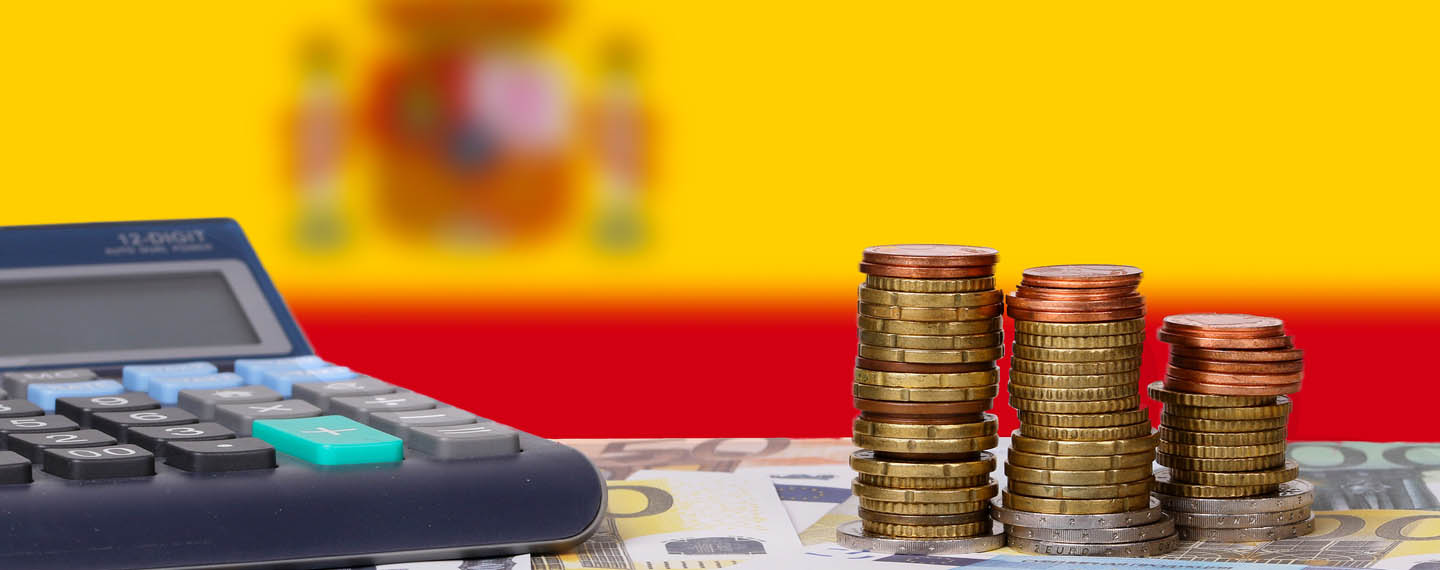
The Spanish economy is rebounding, but this year’s growth forecast has been sharply downgraded. Tourism will be the main driver of growth.
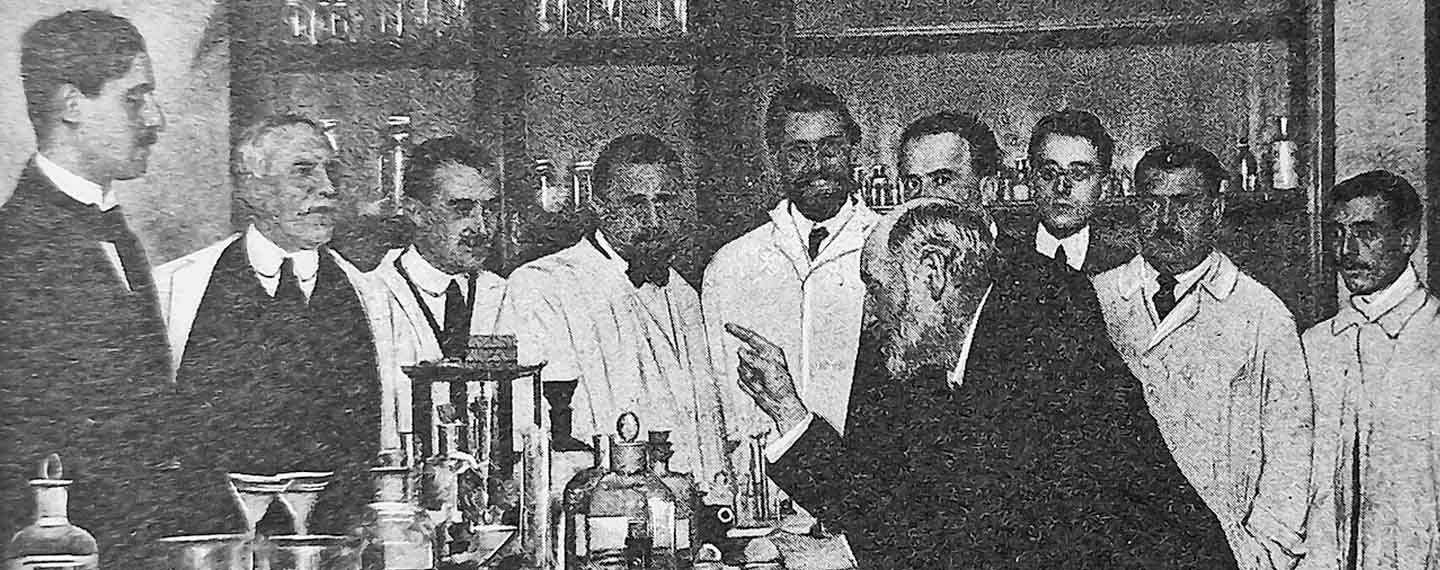
Santiago Ramón y Cajal denounced Spain’s historical disregard for science. It continues to lag behind the position accorded in the other EU countries.
2 - 6 of 6 pages