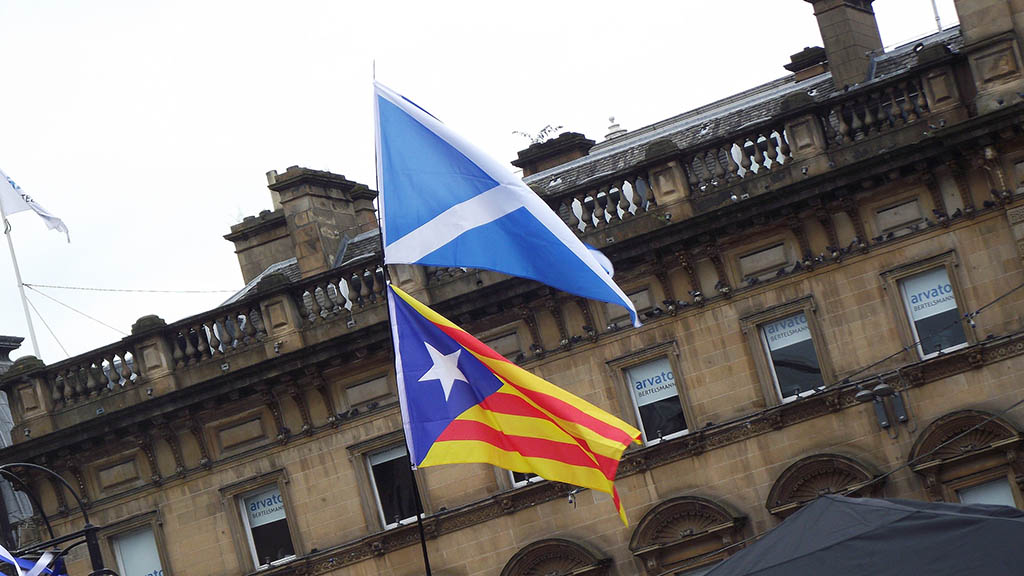
Catalonia is not Scotland, despite appearances
Catalonia and Scotland share grievances that led them to hold referendums on independence, but this does not mean they can be bracketed together.
Catalonia and Scotland share grievances that led them to hold referendums on independence, but this does not mean they can be bracketed together.
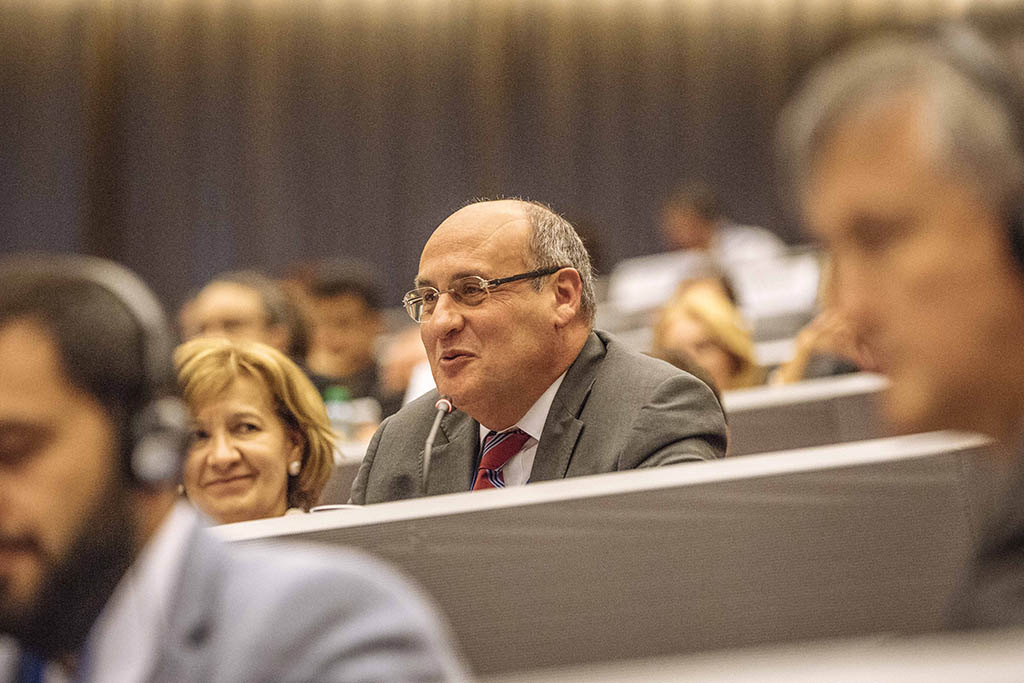
The Portuguese António Vitorino will head the International Organization for Migration (IOM) for the next five years from 1 October.
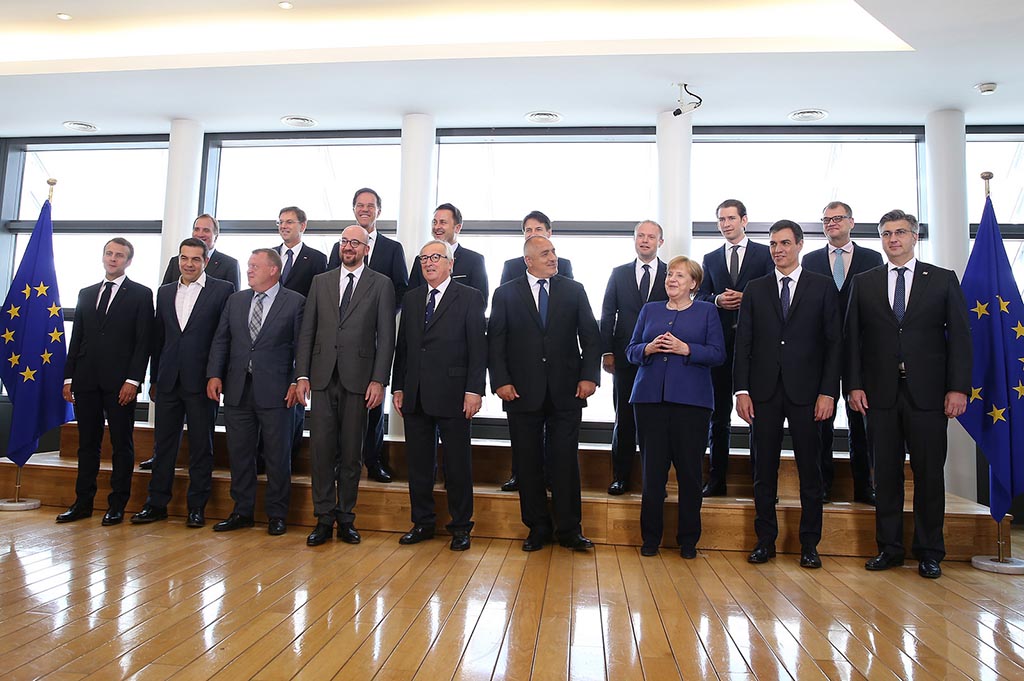
The EU's problems stem not only from within but also from without. What the governments of non-member countries do has an impact on the range of ‘clusters’ into which the Union is fracturing, divisions that are already more complex than North-South, East-West or lenders-borrowers.
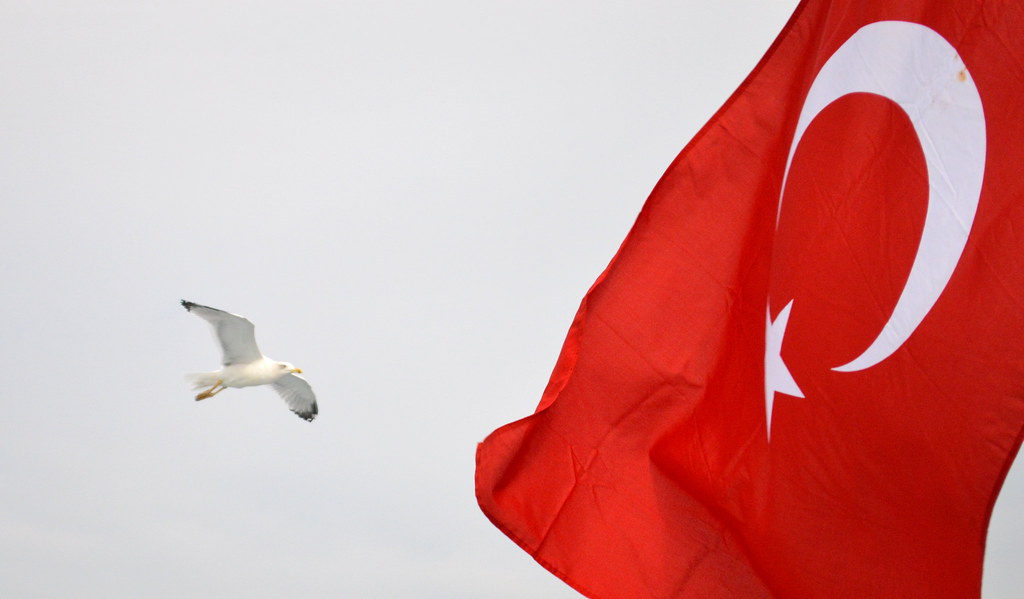
The upcoming elections in Turkey are not only about who is to govern the country but also about how it will be governed.
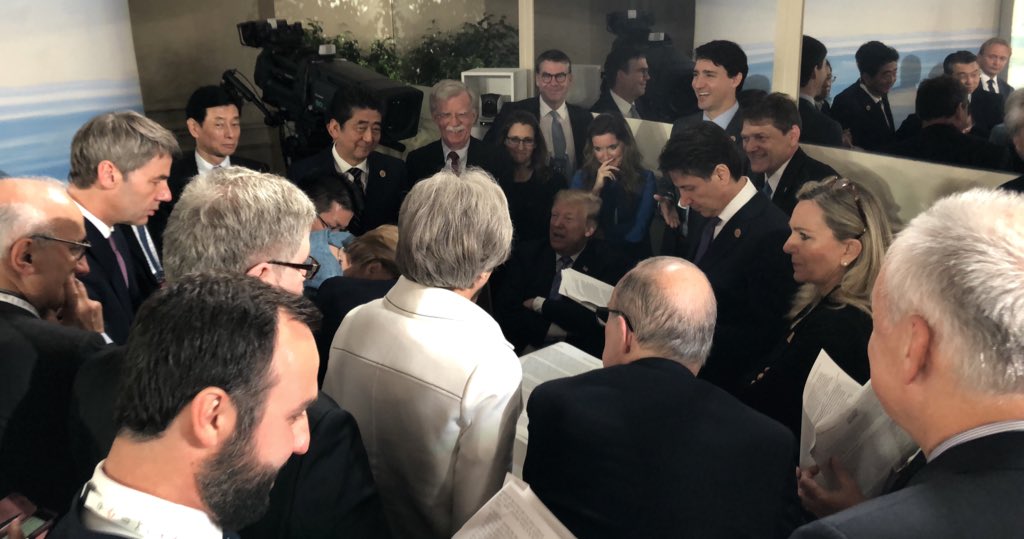
The G7 will continue to be whether the White House returning to the good old Western or whether there has been a permanent shift in foreign policy.
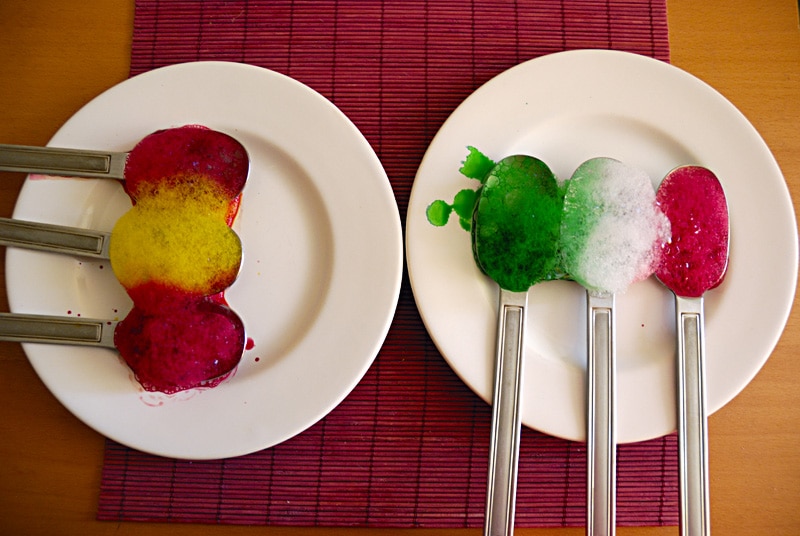
Italy and Spain are not only highly different, if anything they have become more so. This has become even more pronounced with the recent political changes in the two countries.
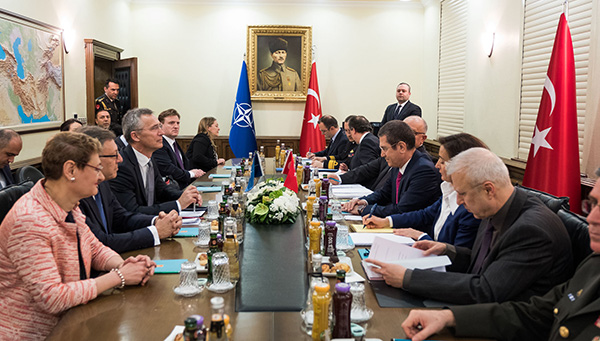
Turkey’s links with its Western allies have steadily deteriorated over the past few years. There have been major developments over the past decade that need to be looked at in order to explain the current estrangement with NATO.
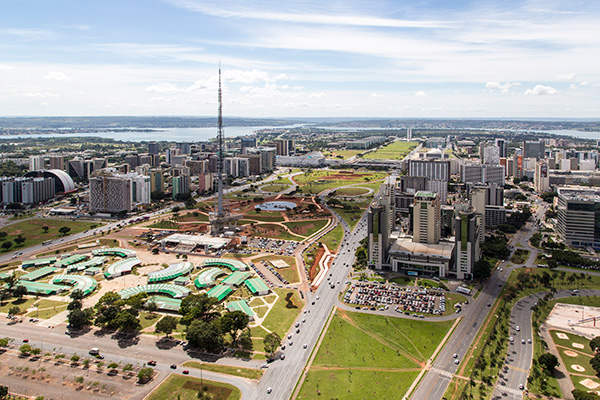
The construction of a cooperation agenda between the EU and South America must take into account the challenges Latin American countries need to overcome to correct their democratic deficits and the negative social and political effects of their economic development models.
In general –despite the fact that several countries in the EU have some form of Christianity as their official state creed–, religion has lost influence in Western Europe, whether in terms of beliefs, religious practice or institutions, although less so in terms of identity.
34 - 40 of 84 pages