
The National Cyber Force: directions and implications for the UK
The establishment of the National Cyber Force raises significant questions about the directions that the cybersecurity of the UK will now take
The establishment of the National Cyber Force raises significant questions about the directions that the cybersecurity of the UK will now take

Today three external powers –the US, China and Russia– are the leading players behind great power rivalry in the Middle East.

Out of all the countries in the world, the hacking back debate has finally entered the political discourse in neutral Switzerland.
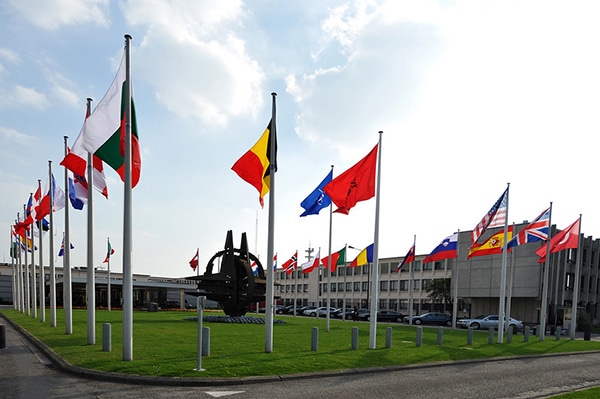
It is critical for NATO to understand the nature and the dynamics of the socio-economic and governance issues aggravating the instability in the MENA region.

The adoption of AI-based solutions to achieve cyber-defensive/offensive objectives (“AI for Cybersecurity”) is promising but challenging too.

This article assesses the implications of the recent Russia Report ahead of the development of the next cyber security strategy for the UK due in 2021.

Latin American states have benefited from regional cooperation to improve their cybersecurity but are not leveraging this cooperation for issues of international peace and stability in cyberspace.
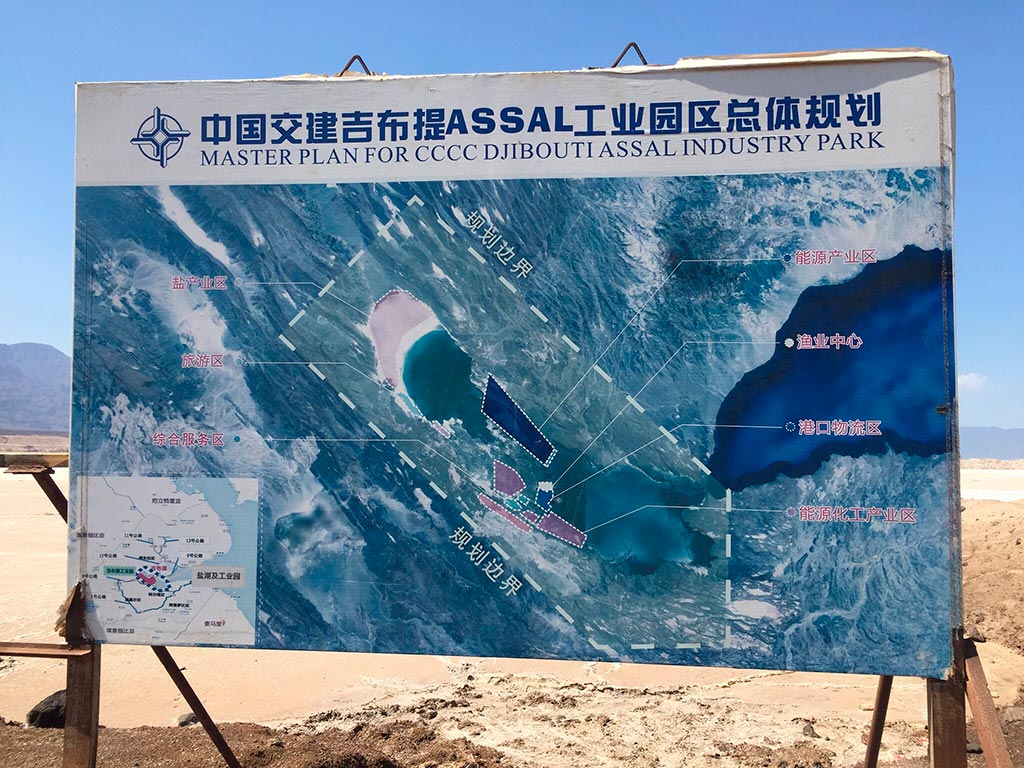
China is a newcomer to the eastern Mediterranean. How does Beijing fit into the complex setting of the eastern Mediterranean?
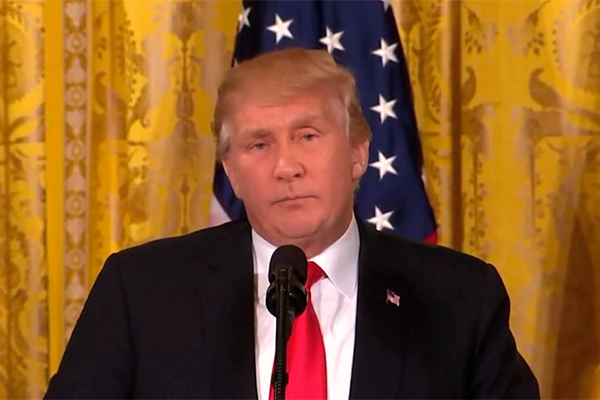
The weaponisation of hyper-realistic synthetic video, audio, images, or texts –generally known as of synthetic media– may affect national security.
12 - 18 of 42 pages